Procedure details
- Treatment
- A night guard custom-made from impressions of your teeth
- Follow-up
- The fit of the guard and the course of symptoms are assessed at regular check-ups
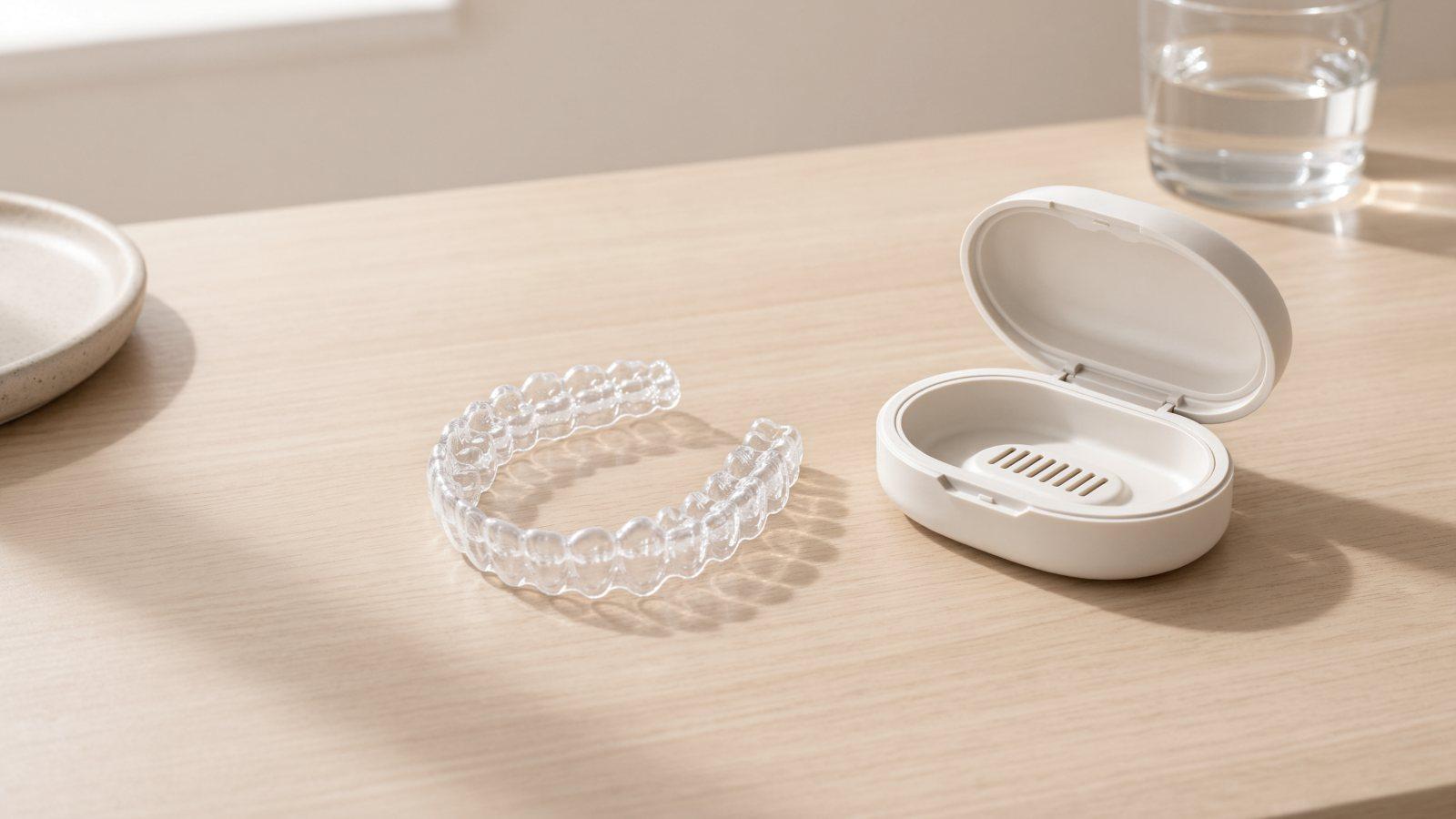
- Guard care
- Brushed with cold water after each use and kept in its case
The duration and number of sessions vary from person to person and case to case. The exact plan is determined at the examination.
Contents
What is bruxism?
Bruxism occurs when the chewing muscles work involuntarily and repeatedly. It can happen during sleep, and it can also occur during the day, especially during tasks that require concentration or in stressful periods. People are often unaware that they clench their teeth; the condition is noticed by someone who sleeps next to them or by the dentist during an examination.
There is no single cause. It is known that it may be linked to stress and anxiety, irregular sleep, certain medications, and caffeine and alcohol consumption. When it continues for a long time, it can cause problems in the teeth, the chewing muscles and the jaw joint.
Symptoms of bruxism
- Pain and tiredness in the jaw, temples or cheeks when you wake up in the morning
- Headaches and neck pain
- Worn, flattened, cracked or broken teeth
- Tooth sensitivity to hot and cold
- Sounds from the jaw joint, limited mouth opening or locking
- Fillings and crowns that break often
How do assessment and treatment work?
Examination
Wear on the teeth, tenderness in the chewing muscles, the jaw joint and mouth opening are examined. You are asked when your complaints get worse, about your sleep patterns and about the medications you take.
Night guard
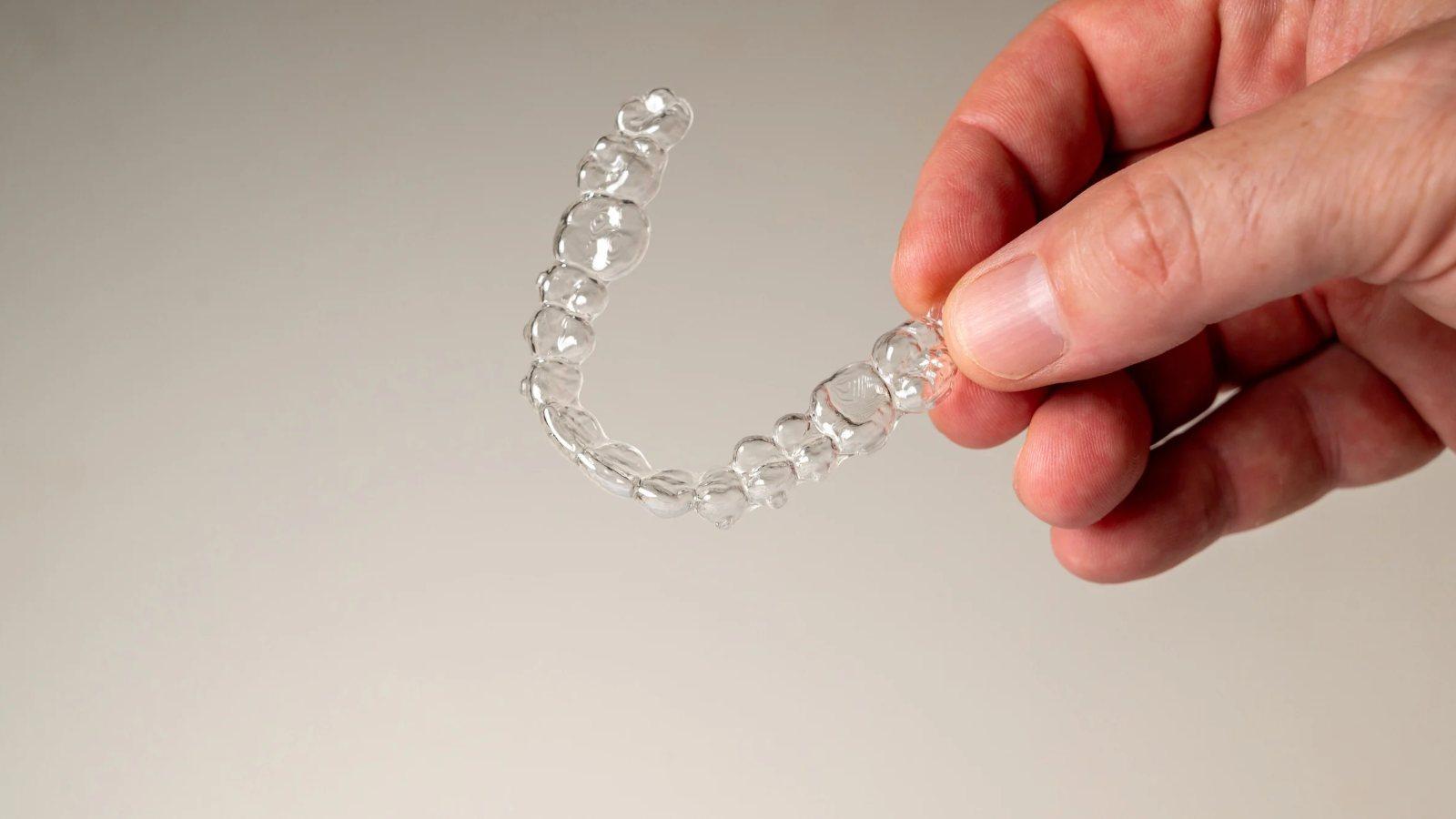
A clear guard custom-made from impressions of your teeth prevents the teeth from rubbing against each other during sleep and protects them from wear.
Adjusting habits
It is explained that the teeth should not touch each other during the day. Advice is given on things such as cutting down on caffeine, not chewing gum and sleep patterns.
Restoring the teeth
Worn or broken teeth are restored with treatments such as fillings and crowns.
Follow-up
The fit of the guard and the course of symptoms are assessed at regular check-ups.
What to expect with bruxism
A night guard protects the teeth, but on its own it may not eliminate the clenching habit. The approach is tailored to each person based on the clinical assessment; how much the symptoms ease varies from person to person. If needed, your dentist may also consider heat application, jaw exercises or additional treatments for the chewing muscles. If the findings point to a jaw joint disorder or a sleep disorder, they may refer you to the relevant physician.
If your jaw locks when you open and close your mouth, your mouth opening has become noticeably smaller, or jaw pain is affecting your daily life, see a dentist without delay.
Frequently asked questions
How can I tell if I clench my teeth?
Tiredness in the jaw and temples in the morning, sensitive teeth, or someone sleeping next to you hearing a grinding sound can be clues. When you notice it during the day, you can check whether your teeth are touching each other. The dentist makes the diagnosis based on the examination findings.
Is it hard to wear a night guard?
For the first few nights, the guard may feel like a foreign object in your mouth and you may produce more saliva; most people get used to it within a short time. The guard should be brushed with cold water after each use and kept in its case. Because it can wear over time, it is recommended that you bring it with you to check-ups.
Does bruxism go away completely?
Bruxism is a condition that can increase and decrease from time to time. The aim of treatment is to protect the teeth and the jaw joint and to relieve symptoms. Addressing factors such as stress and sleep patterns also supports the process.
Is teeth grinding normal in children?
In children, grinding is common, especially while the teeth are changing, and often decreases with growth. Even so, if there is noticeable wear on the teeth, pain or sleep problems, it should be assessed at an examination.
This information is for general guidance only. Your treatment plan is determined by your dentist after an examination; results may vary from person to person.