Procedure details
- Anesthesia
- Local anesthesia
- Sessions
- Placement is usually completed in a single session
- Duration
- Integration with the bone is awaited before the restoration; the total time is usually a few months
- Afterward
- Mild swelling, bruising and tenderness may occur in the first few days
The duration and number of sessions vary from person to person and case to case. The exact plan is determined at the examination.
Contents
What is dental implant treatment?
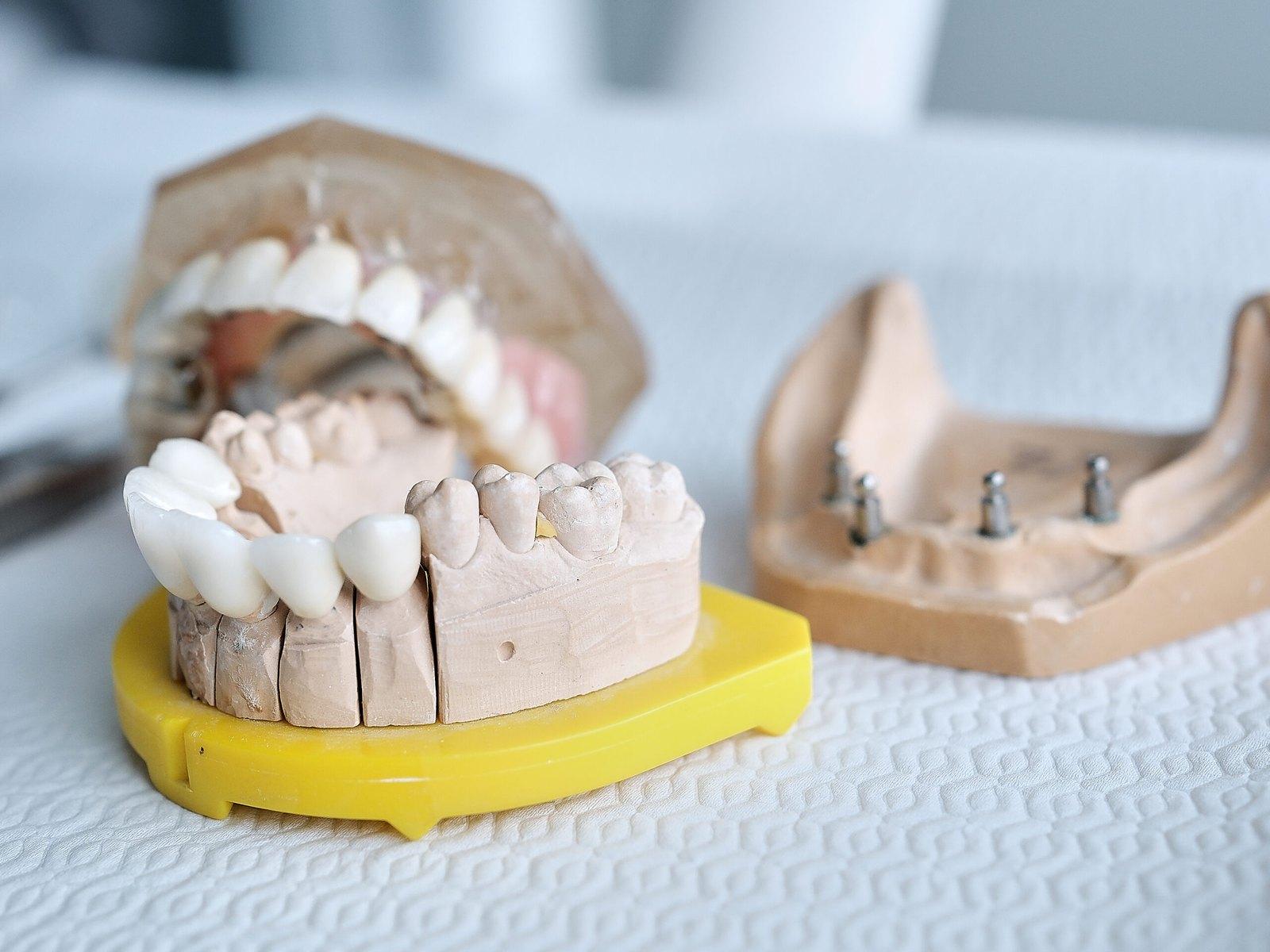
An implant is a small screw, most often made of titanium, that mimics the root of a lost tooth. It is placed in the jawbone with a surgical procedure. During the healing period, it is expected to integrate with the bone; a single tooth, a bridge or a denture is then made on top of it.
An implant replaces a missing tooth without requiring the neighboring teeth to be reduced. Even so, it may not be the first option for every missing tooth. Your dentist decides which method is right for you after a clinical examination and radiological assessment.

When are implants considered?
- When a single tooth is missing
- When several teeth are missing, next to each other or in different areas
- Complete tooth loss, when all teeth have been lost
- When a removable denture moves in the mouth or causes discomfort
- When you prefer not to have the neighboring teeth reduced for a bridge
The amount of jawbone and your general health are important for an implant. If there is not enough bone, your dentist may recommend additional procedures. Uncontrolled diabetes, heavy smoking and certain medications can affect healing; for this reason, your medical history is asked about in detail at the examination.
How does the implant process work?
Examination and planning
Your mouth is examined, and the bone structure is assessed with X-rays and, if needed, a CT scan. The number of implants needed and the type of tooth to be made on top of them are planned.
Placing the implant
The procedure is performed under local anesthesia. The implant is placed in a socket prepared in the jawbone, and the gum is usually closed with stitches.
Healing period
The implant is given time to integrate with the bone. This period varies depending on the bone structure and the area, and can usually take a few months. If needed, a temporary tooth is used during this time.
Making the restoration
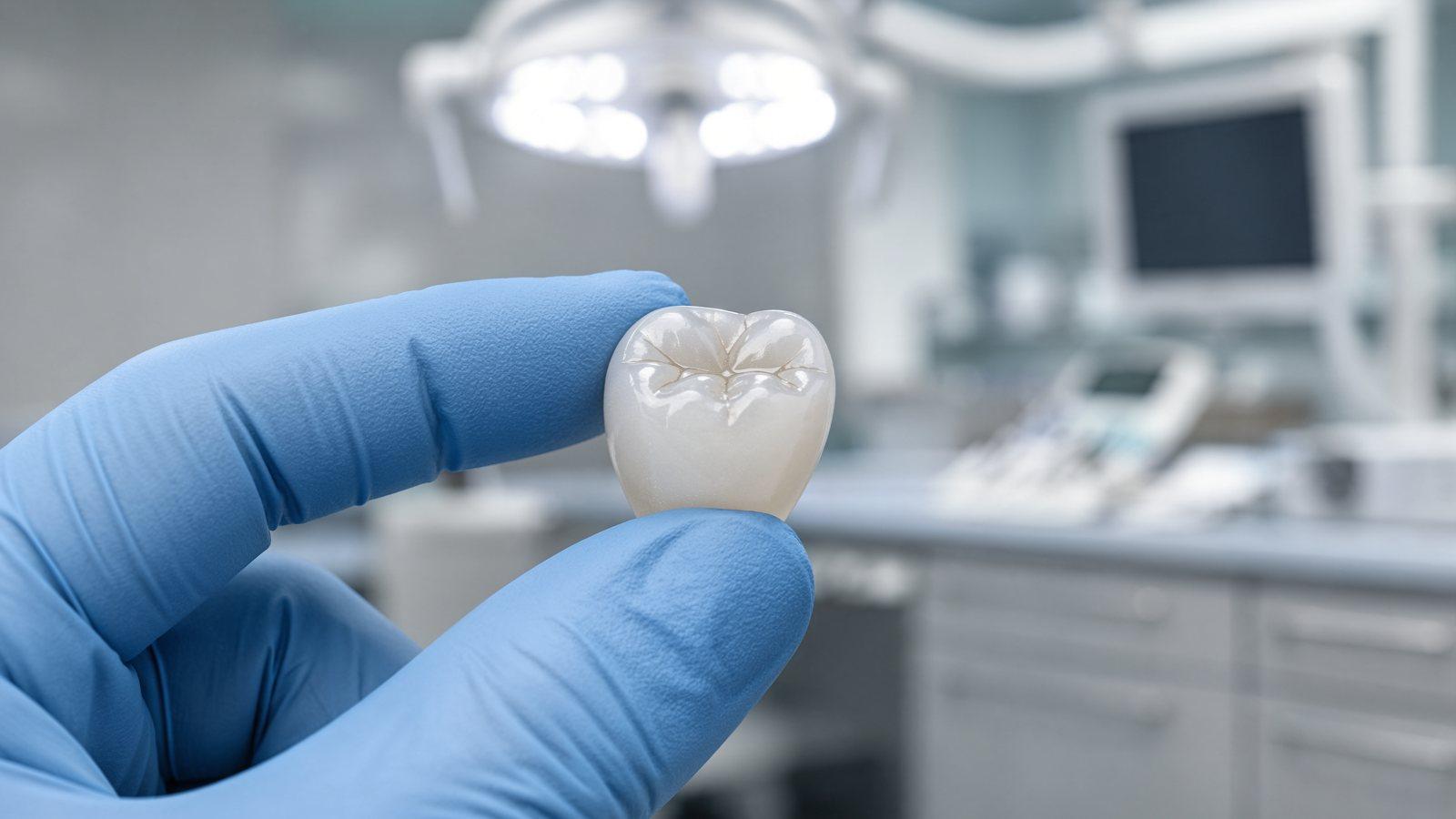
Once healing is complete, an impression is taken, and a crown, bridge or denture is prepared and fitted on the implant.
Care after dental implants
Mild swelling, bruising and tenderness may occur in the first few days after the procedure. Taking the medications your dentist recommends, choosing soft and lukewarm foods in the first days and avoiding smoking all support healing.
Implants do not decay, but the gum and bone around them can become inflamed. That is why implants, just like natural teeth, need to be brushed every day, cleaned between the teeth and checked regularly by a dentist. How long an implant lasts varies from person to person depending on oral hygiene, general health and habits.
If you notice bleeding that does not stop, pain or swelling that keeps getting worse, fever or movement of the implant after the procedure, contact your dentist without delay.
Frequently asked questions
Does getting an implant hurt?
The procedure is performed under local anesthesia; usually no pain is felt during the procedure. There may be tenderness and swelling over the next few days, and your dentist may recommend a painkiller for this.
How long does dental implant treatment take?
Placing the implant is usually completed in a single session. Before a tooth can be made on top of it, the implant needs to integrate with the bone; the total time usually amounts to a few months and varies depending on whether additional procedures are needed.
Can anyone get implants?
Implants can be planned for adults whose jaw development is complete and whose general health is suitable. The amount of bone, gum health and systemic diseases affect suitability. The decision is made after an examination and radiological assessment.
What if I do not have enough jawbone?
When the bone volume is not sufficient, your dentist may consider additional procedures such as a bone graft or, in the upper jaw, a sinus lift. These procedures may extend the treatment time.
This information is for general guidance only. Your treatment plan is determined by your dentist after an examination; results may vary from person to person.