Procedure details
- Anesthesia
- Local anesthesia
- Sessions
- A single session in most cases; a few weeks if treatment is needed beforehand or crowns afterward
- Afterward
- Sensitivity, mild swelling and some oozing of blood may occur for a few days
- Healing
- It may take a few weeks for the gum to reach its final shape
The duration and number of sessions vary from person to person and case to case. The exact plan is determined at the examination.
Contents
What is pink aesthetics?
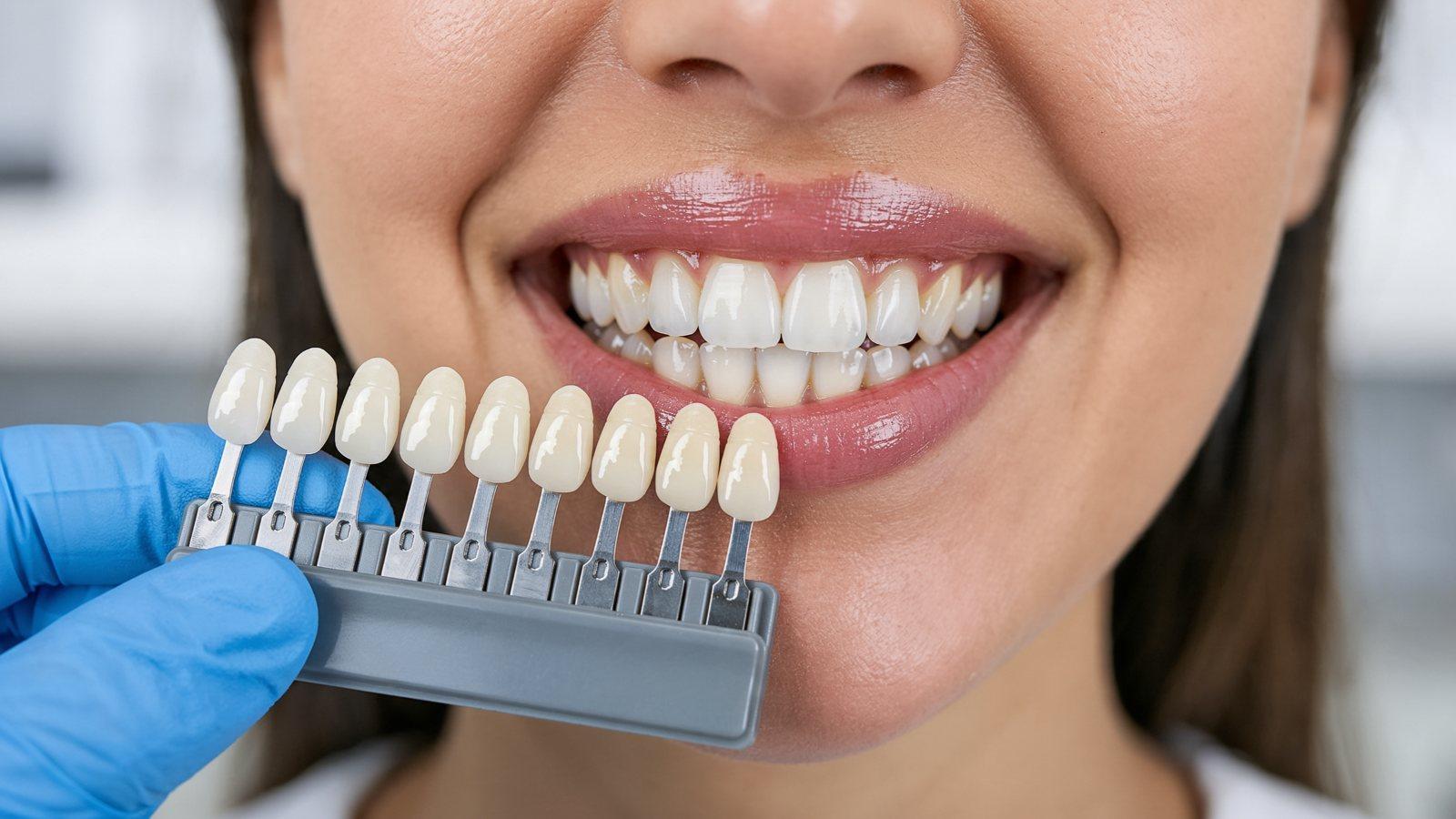
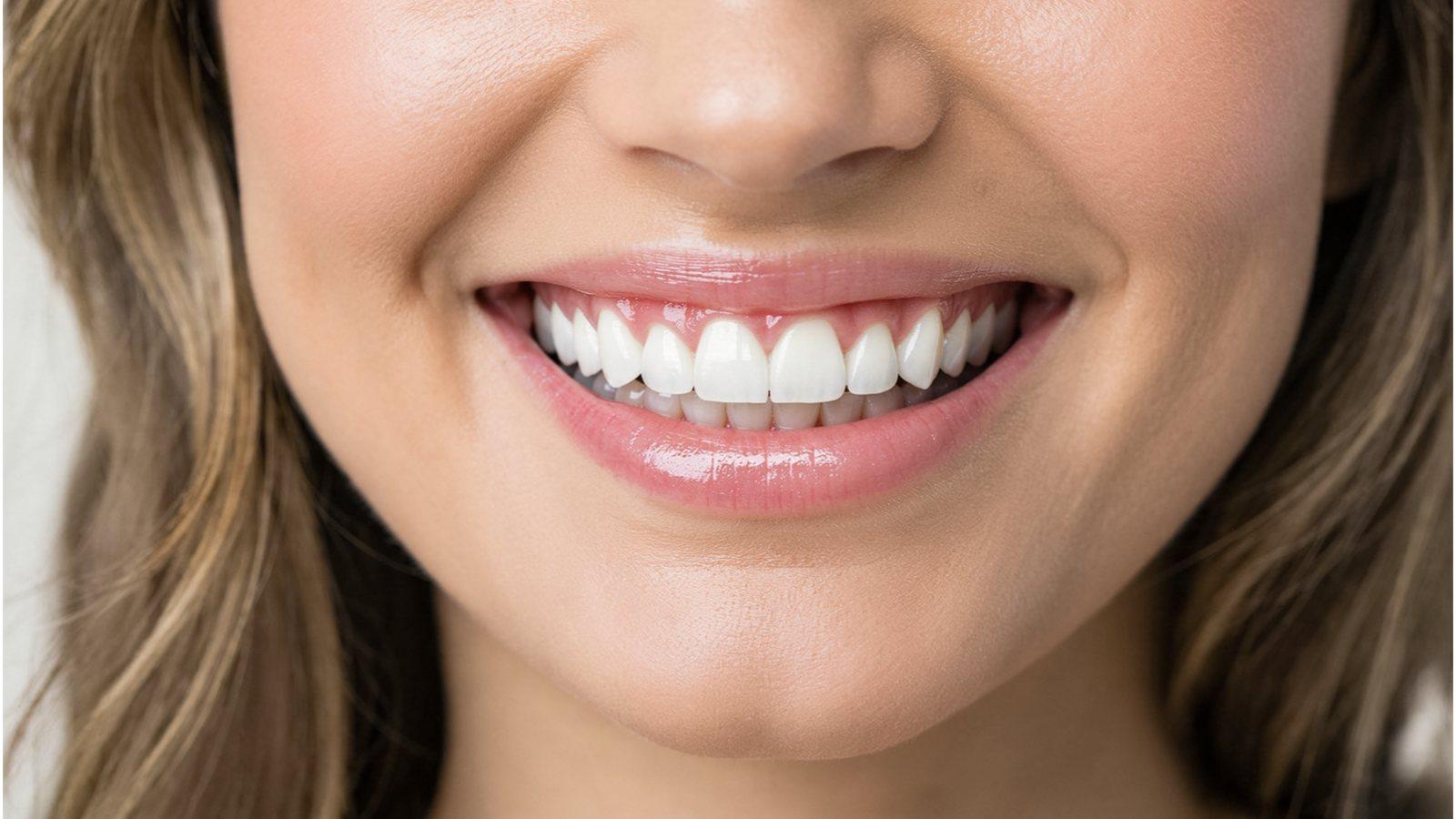
When you smile, the gums around your teeth are visible as well as the teeth themselves. If the gum level differs from tooth to tooth, covers too much of the teeth or has receded and exposed the root surface, the smile may look unbalanced even if the teeth are straight. In pink aesthetic treatments, gum levels, the proportion between tooth and gum, and gum contours are assessed.
These treatments are often planned not on their own but as part of treatments such as veneers, crowns or implants.
When is pink aesthetics considered?
- Uneven or asymmetric gum levels
- Teeth that look short because the gum covers too much of them
- Too much gum showing when smiling
- Gum recession and exposed root surfaces
- Cases that need gum reshaping before implants, crowns or dentures
Procedures used in pink aesthetics
When there is excess gum tissue, the gum edge is reshaped; this procedure is called gingivectomy or gingivoplasty. When the tooth needs to be lengthened, the underlying bone level may be adjusted along with the gum. For gum recession, in suitable cases, the aim is to cover the exposed root surface with a soft tissue graft. Which procedure is suitable depends on the thickness of the gum, the bone level and the cause of the recession.
How does the process work?
Examination
The gums, gum pockets and bone level are examined. If needed, X-rays are taken and the smile line is assessed.
Getting the gums healthy
If there is inflammation, scaling and any necessary gum treatment are done first. The procedure is planned on healthy gums.
Reshaping procedure
Under local anesthesia, the gum is shaped to the planned level or a graft is placed.
Healing and check-up
The healing of the gum is monitored. If crowns or veneers are to be made, the gum level is given time to settle.
After the procedure, sensitivity, mild swelling and some oozing of blood may occur for a few days. In the first days, you may be asked to use the mouthwash your dentist recommends instead of brushing the area, and to avoid hot, hard and spicy foods. It may take a few weeks for the gum to reach its final shape. Healing and the appearance achieved may vary from person to person.
Frequently asked questions
Does the procedure hurt?
Gum procedures are performed under local anesthesia; usually no pain is felt during the procedure. There may be sensitivity for a few days afterward, and your dentist recommends a painkiller if needed.
Will the gums go back to how they were?
The gum tissue may change somewhat during healing. Whether the result is maintained depends on the structure of the gum, the underlying cause and oral hygiene. Your dentist discusses this possibility with you at the planning stage.
Can gum recession be treated?
The cause and degree of the recession are decisive. In some cases the root surface can be covered with a graft, while in others measures are taken to stop the recession from progressing. Factors such as brushing too hard and teeth clenching also need to be corrected.
How many sessions does it take?
Gum reshaping is done in a single session in most cases. If gum treatment is needed beforehand or crowns are planned afterward, the process may extend over a few weeks.
This information is for general guidance only. Your treatment plan is determined by your dentist after an examination; results may vary from person to person.