Procedure details
- In the clinic
- The treatment usually takes about an hour
- At home
- In most cases, spread over one to two weeks
- Result
- The teeth reach their final color within a few days
The duration and number of sessions vary from person to person and case to case. The exact plan is determined at the examination.
Contents
What is teeth whitening?
Over the years, teeth can darken due to tea, coffee, smoking and certain foods. Tooth color also changes naturally with age. In whitening, a whitening gel is applied to the surface of the teeth, and the tooth color can be lightened by a few shades. The tooth structure is not worn away during the procedure.
Tooth color is unique to each person, and not every tooth responds to whitening to the same degree. Yellowish stains that develop over time usually lighten more easily. For gray or dark brown discoloration that formed while the teeth were developing, the result may be more limited and more sessions may be needed.
Teeth whitening methods
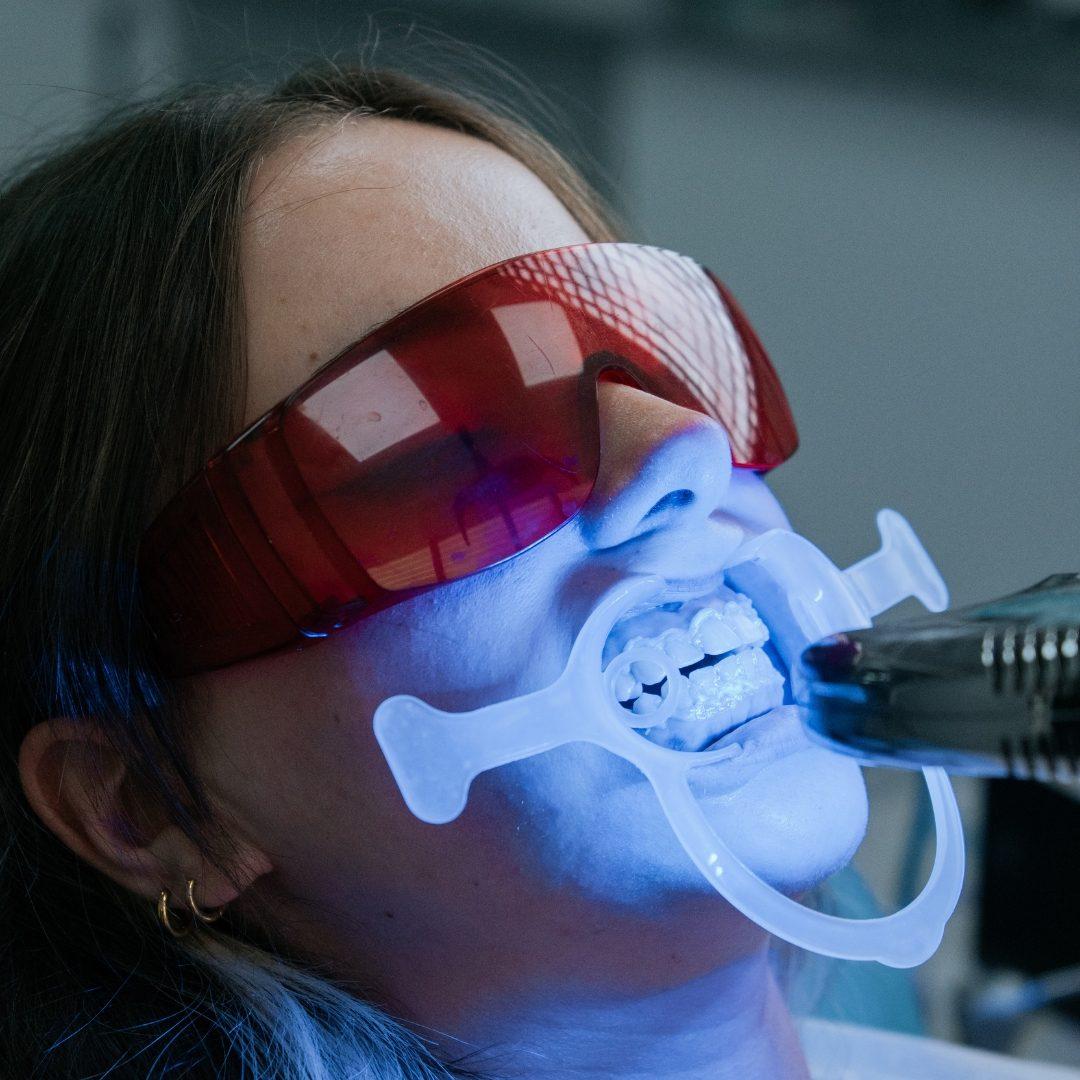
Whitening can be done in the clinic or at home. Your dentist decides which one is right for you, and sometimes whether to combine the two.
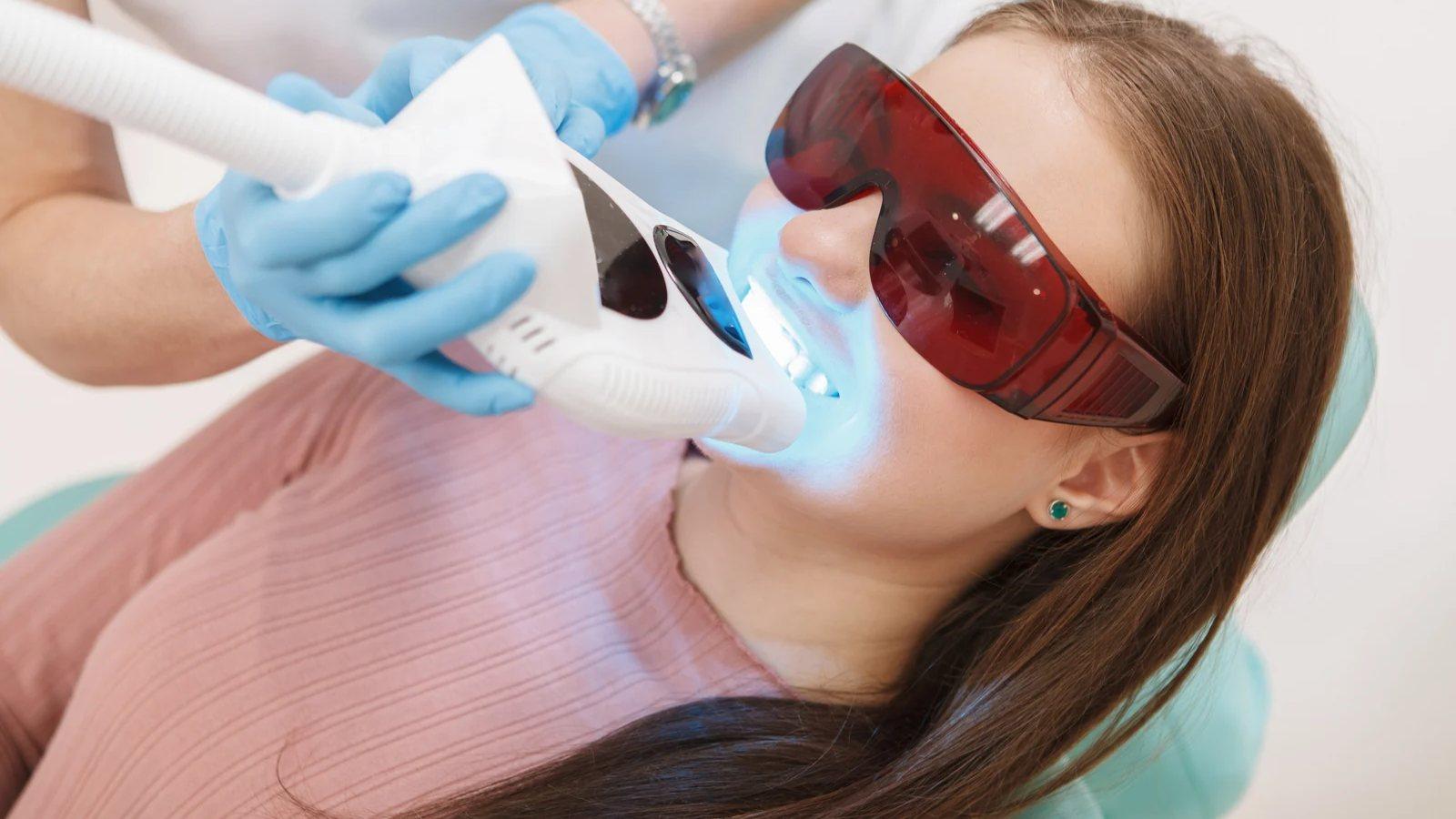
- In-clinic whitening: the gums are protected and the gel is applied to the teeth by the dentist
- At-home whitening: clear trays made from impressions and a gel provided by the dentist are used
- Single-tooth whitening: may be considered for teeth that have darkened after root canal treatment
How does the whitening process work?
Examination
The teeth and gums are checked. Any decay, cracks or gum problems are treated first; if needed, scaling is done.
Recording the starting shade
The current color of your teeth is recorded and the expected change is discussed with you.
Application
In the clinic, the gums are isolated and the gel is applied to the teeth. With at-home whitening, you wear the trays for the time your dentist specifies.
Check-up
The color change and any sensitivity are assessed. An additional session is planned if needed.
The in-clinic treatment usually takes about an hour, and the teeth reach their final color within a few days. At-home whitening is in most cases spread over one to two weeks.
Care after whitening
In the first days after the procedure, it is recommended that you avoid staining foods and drinks such as tea, coffee, red wine and tomato paste, as well as smoking. The effect of whitening varies from person to person depending on diet and smoking habits; over time, the color may darken again.
Fillings, crowns and veneers are not affected by whitening gel. If you have such restorations on your front teeth, a color difference may develop, so the treatment is planned with this in mind.
Frequently asked questions
Does teeth whitening damage the teeth?
Whitening done under a dentist’s supervision and following the recommended times does not wear away tooth structure. Products used without consulting a dentist, however, can cause gum irritation and sensitivity.
Is there sensitivity during or after the procedure?
Sensitivity to hot, cold and air may occur during whitening and for a few days afterward. This is mostly temporary; your dentist may recommend a fluoride application or a suitable toothpaste to reduce sensitivity.
Can anyone have their teeth whitened?
Whitening is generally not recommended during pregnancy and breastfeeding, for children, or for people with untreated decay or gum disease. Suitability is assessed at the examination.
How long does the effect of whitening last?
It depends on a person’s habits and cannot be known in advance. Staining foods and drinks and smoking can make the color darken more quickly. If your dentist considers it necessary, they may recommend touch-up applications at certain intervals.
This information is for general guidance only. Your treatment plan is determined by your dentist after an examination; results may vary from person to person.