Procedure details
- Anesthesia
- Most procedures are performed in the clinic under local anesthesia
- Stitches
- Usually placed; generally removed within a week
- Afterward
- Pain and swelling may occur over the next few days
The duration and number of sessions vary from person to person and case to case. The exact plan is determined at the examination.
Contents
What does oral and maxillofacial surgery cover?
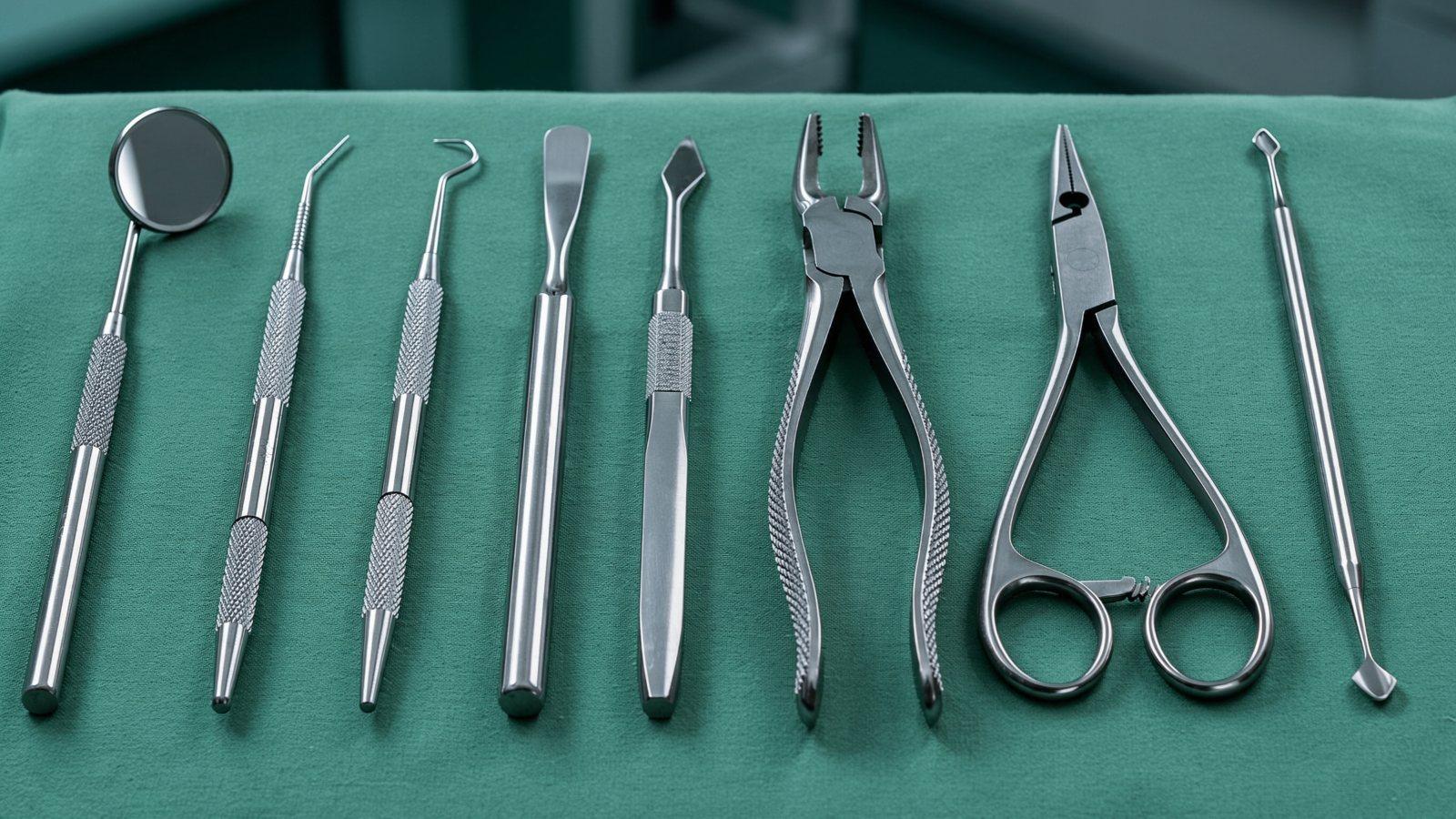
This field deals with problems in the mouth that cannot be resolved with medication or simple treatments and require surgical intervention. Most procedures are minor surgical procedures performed in the clinic under local anesthesia. The intervention is planned taking into account the structure of your mouth and jaw and your general health.
- Extraction of impacted and partially impacted teeth, especially wisdom teeth
- Surgical tooth extractions and removal of broken roots
- Root tip surgery (apical resection)
- Removal of cysts in the jawbone
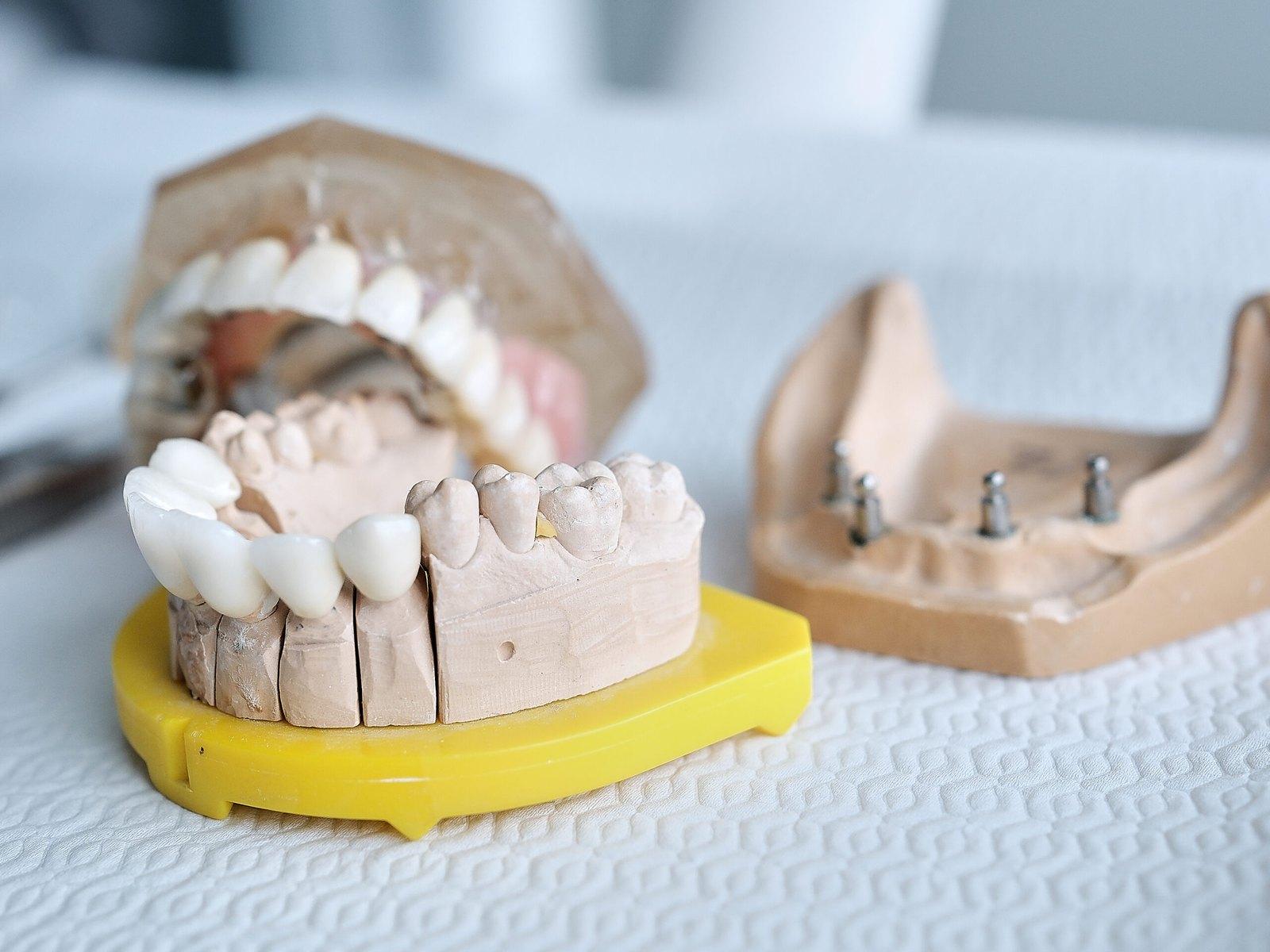
- Implant surgery, bone grafts and sinus lifts
- Soft tissue procedures and corrections before dentures
- Assessment of jaw joint complaints and trauma-related conditions
When is surgical tooth extraction needed?
Teeth that are easily visible in the mouth are usually extracted with a routine extraction. If a tooth is trapped under the bone or gum, its roots are broken, or it is hard to reach because of its position, a surgical extraction is done. Wisdom teeth can remain impacted when there is not enough room in the jaw; extraction is recommended when they cause problems such as pain, inflammation of the surrounding gum, decay in the neighboring tooth or cyst formation. Impacted teeth that do not cause problems can be monitored at regular intervals on your dentist’s recommendation.
How do surgical procedures work?
Examination and imaging
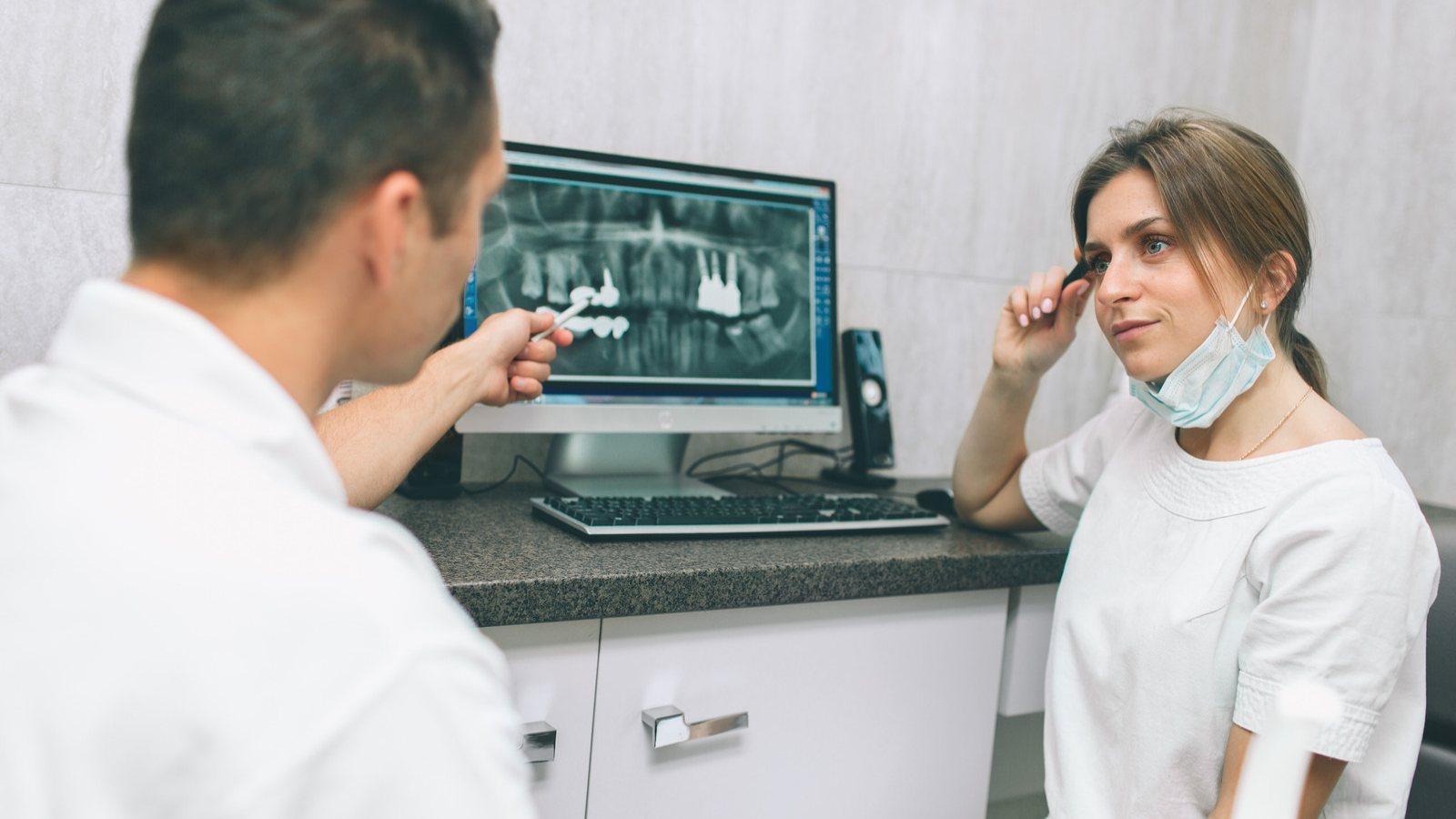
The area is examined; the position of the tooth and surrounding structures is assessed with X-rays and, if needed, a CT scan.
Medical history
You are asked about your illnesses, allergies and the medications you take. For medications such as blood thinners, the opinion of your treating physician is obtained if needed.
Surgical procedure
The procedure is performed under local anesthesia. The area is accessed, the necessary intervention is completed and stitches are usually placed.
Healing and check-up
The aftercare instructions are explained to you. Stitches are usually removed within a week, and healing is checked.
What to keep in mind after the procedure
On the first day, you will be asked not to spit, not to rinse your mouth and not to touch the wound area with your tongue or fingers. In the first hours, applying cold to the cheek from the outside at intervals helps reduce swelling. For a few days, lukewarm and soft foods should be preferred, and smoking and alcohol should be avoided. Swelling, limited mouth opening and tenderness ease within a few days in most cases; the healing time varies from person to person depending on the extent of the procedure. You need to take your medications as your dentist recommends.
If you have bleeding that does not stop with pressure, pain or swelling that increases after the second or third day, fever, a bad smell or numbness that lasts a long time, contact your dentist without delay.
Frequently asked questions
Does wisdom tooth extraction hurt?
The procedure is performed under local anesthesia; usually no pain is felt during it, although you may feel pressure and pushing. Pain and swelling may occur over the next few days; your dentist recommends painkillers and any other medications needed.
Do all wisdom teeth need to be extracted?
No. Wisdom teeth that have come in properly, can be cleaned and do not cause problems can stay in the mouth. The decision to extract is made with an examination and X-rays, based on the position of the tooth and its effect on the surrounding tissues.
When can I return to daily life after the procedure?
After minor surgical procedures, most people return to their daily activities within a day or two. After more extensive procedures, the rest period may be longer. Avoiding strenuous exercise in the first days is recommended.
I take blood thinners. Can the procedure still be done?
Be sure to mention the medications you take at the examination, and do not stop your medication on your own. If needed, your dentist plans the procedure accordingly after consulting the physician who prescribed it.
This information is for general guidance only. Your treatment plan is determined by your dentist after an examination; results may vary from person to person.