Procedure details
- Anesthesia
- Local anesthesia; additional anesthesia may be given for teeth with severe inflammation
- Sessions
- May be finished in a single session or spread over several; the dentist decides during treatment
- Afterward
- There may be sensitivity for a few days
The duration and number of sessions vary from person to person and case to case. The exact plan is determined at the examination.
Contents
What is root canal treatment?
In the center of the tooth is a soft tissue called the pulp, made up of blood vessels and nerves. Deep decay, fractures and cracks, or blows to the tooth can cause this tissue to become inflamed. Because the pulp cannot repair itself, pain and an abscess may develop if the inflammation is not treated.
In root canal treatment, the inflamed or non-vital tissue is removed, and the root canals are cleaned, shaped and filled. The aim is to keep the tooth in the mouth instead of extracting it. The treated tooth continues to be supported by the surrounding tissues and to function in chewing.

Symptoms that may call for root canal treatment
- Long-lasting sensitivity to hot or cold
- Pain that starts on its own and gets worse especially at night
- Pain when chewing or when pressure is put on the tooth
- Darkening of the tooth
- Swelling or an abscess in the gum
Some teeth may need root canal treatment without any symptoms at all; this is often noticed on an X-ray. Your dentist makes the diagnosis based on the examination and X-ray findings.
How is root canal treatment done?
Examination and X-ray
The condition of the tooth, the number of roots and the canal structure are assessed.
Anesthesia and isolating the tooth
The tooth is numbed with local anesthesia and isolated so that it is protected from saliva.
Cleaning the canals
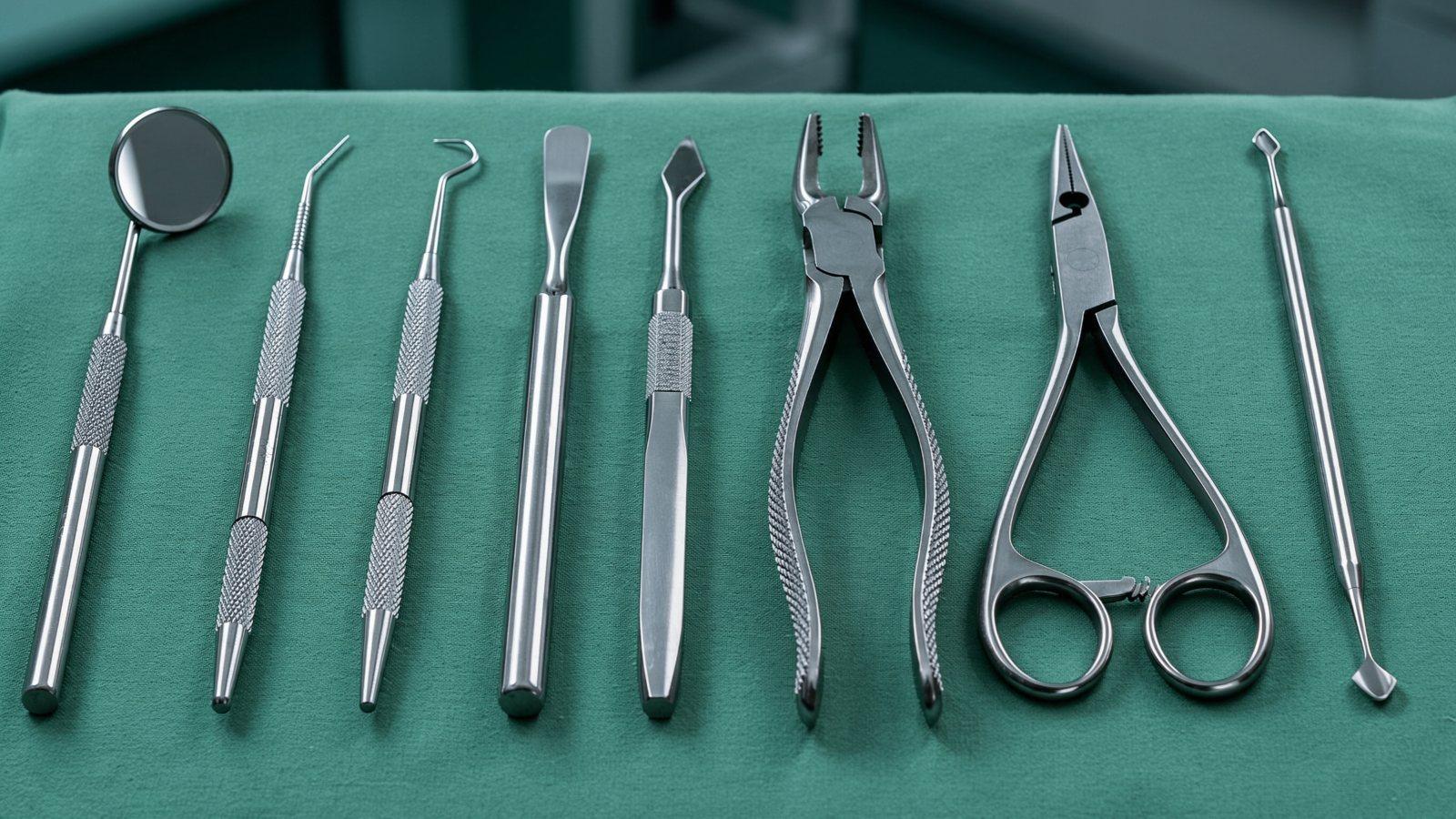
The decay is removed and the pulp is reached. The canals are cleaned, shaped and rinsed with special instruments.
Filling the canals
The cleaned canals are filled with filling material. Depending on the infection, this stage may be left for a second session.
Restoring the top of the tooth
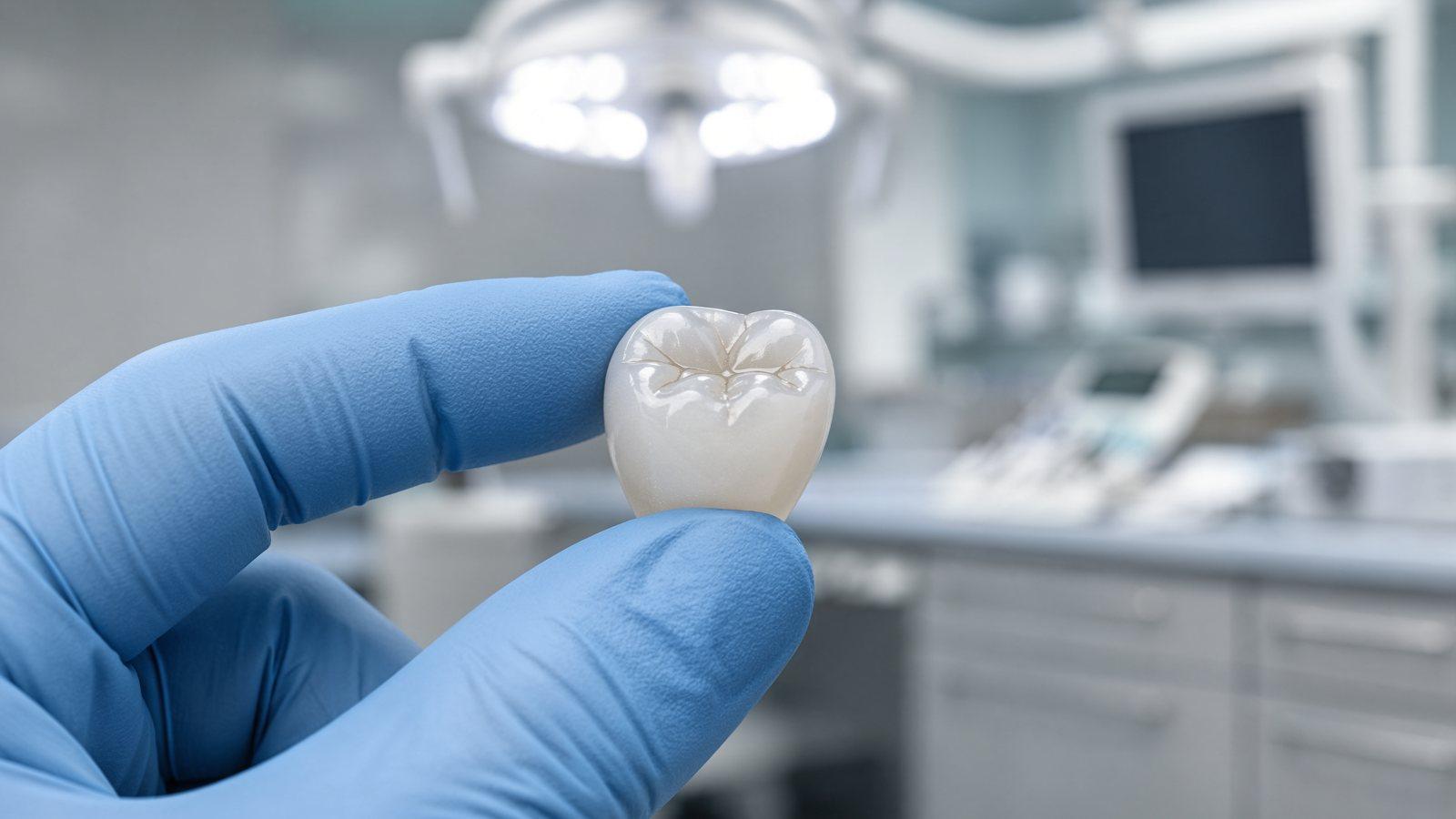
The tooth is restored with a filling or a crown. If a lot of tooth structure has been lost, your dentist may recommend a crown.
After root canal treatment
For a few days after treatment, the tooth may be sensitive, especially when chewing; your dentist recommends a painkiller if needed. It is recommended that you do not eat until the numbness wears off and that you do not chew hard foods with that tooth until the permanent filling or crown is done. Teeth that have had root canal treatment can still decay; daily care and regular check-ups should be continued.
If you have swelling in the face or jaw that grows quickly, a fever, or difficulty opening your mouth or swallowing, contact a dentist without delay.
Frequently asked questions
Does root canal treatment hurt?
The treatment is performed under local anesthesia; usually no pain is felt during the procedure. In teeth with severe inflammation, numbness can be harder to achieve; in that case, your dentist gives additional anesthesia. There may be sensitivity for a few days afterward.
How many sessions does root canal treatment take?
Depending on the number of canals in the tooth and the state of the infection, treatment may be finished in a single session or spread over several sessions. Your dentist decides this during treatment.
Can root canal treatment be done on any tooth?
No. If there is a fracture in the root, the canals cannot be reached, the bone support is insufficient or the tooth is too badly damaged to be restored, the tooth may not be saved. In such cases, your dentist explains the other options.
How long does a tooth with root canal treatment last?
This depends on the remaining tooth structure, how well the filling or crown placed on it fits, and oral hygiene. Some teeth may need the treatment to be redone or a minor surgical procedure at the root tip.
This information is for general guidance only. Your treatment plan is determined by your dentist after an examination; results may vary from person to person.