Procedure details
- Duration
- Usually one to three years; varies with the type of problem and age
- Check-ups
- At regular intervals; the wires are adjusted or you move on to new aligners
- Afterward
- A feeling of pressure and tenderness may occur for a few days after an adjustment
- At the end
- A retainer is used so that the teeth do not return to their old position
The duration and number of sessions vary from person to person and case to case. The exact plan is determined at the examination.
Contents
What is orthodontic treatment?
Orthodontics looks at the position of the teeth and the relationship between the lower and upper jaws. Light, controlled forces are applied to the teeth over a long period; over time, the teeth move toward the planned position. The goal of treatment is not only appearance. Well-aligned teeth are easier to clean, and forces are distributed more evenly when chewing.
Orthodontic treatment can be carried out in children, teenagers and adults. In adults, the gums and the bone supporting the teeth need to be healthy.
When is an orthodontic assessment needed?
- Crowded or overlapping teeth
- Gaps between the teeth
- A lower or upper jaw positioned too far forward or back
- Front teeth that do not meet (open bite) or a deep bite
- Difficulty chewing and biting
- Unerupted, missing or extra teeth
Braces and clear aligner options
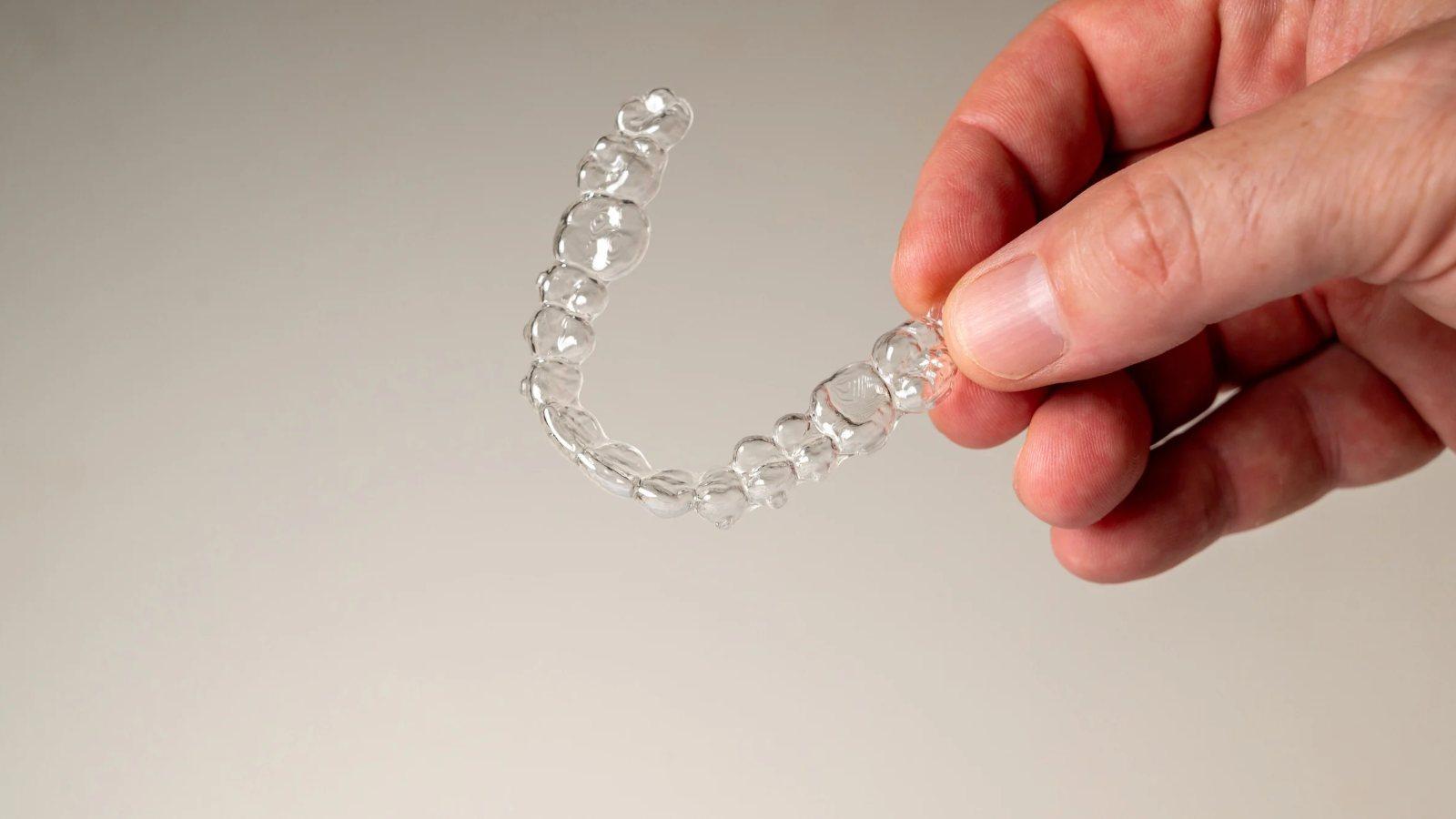
In fixed treatment, small parts called brackets are bonded to the teeth and connected to each other with wires. Brackets can be metal or tooth-colored ceramic. Clear aligner treatment, on the other hand, uses thin, removable aligners that are changed at regular intervals. Clear aligners may not be suitable for every alignment problem. In children, appliances that guide jaw growth can also be used. The method is chosen together with your dentist based on the examination findings.
How does orthodontic treatment work?
First examination and records
The teeth and jaws are examined. Records such as X-rays, photos and impressions are taken.
Treatment plan
The records are assessed; the method to be used, the approximate duration and any preparatory treatment needed are explained to you.
Fitting the appliance or aligners
The brackets are bonded or the first aligners are handed over. You are given information about wearing and cleaning them.
Regular check-ups
At check-ups held at regular intervals, the wires are adjusted or you move on to new aligners.
Retention
When active treatment ends, fixed or removable retainers are used to prevent the teeth from returning to their old position.
The length of treatment varies with the type of problem, age and how well check-ups are kept; it can usually take between one and three years. Throughout treatment, it is important to brush your teeth after every meal and avoid hard and sticky foods. Because plaque that builds up around the brackets can lead to decay and gum inflammation, using interdental brushes is also recommended.
Frequently asked questions
Is orthodontic treatment painful?
For a few days after the appliances are fitted and after adjustments at check-ups, there may be a feeling of pressure and tenderness in the teeth. This usually eases within a short time; if needed, your dentist may recommend a painkiller.
At what age does orthodontic treatment start?
For children, a first orthodontic assessment at around age seven is generally recommended; when to start treatment depends on the findings. If the gums and bone are healthy, treatment can also be done in adulthood.
Will teeth need to be extracted for treatment?
Not in every treatment. When there is not enough room in the jaw for the teeth to line up, your dentist may consider extraction as one of the options. The decision is made after the records have been reviewed.
Do the teeth go back to how they were after treatment ends?
After treatment, teeth may tend to return to their old positions. For this reason, retainers need to be worn for the time and in the way your dentist recommends.
This information is for general guidance only. Your treatment plan is determined by your dentist after an examination; results may vary from person to person.