Procedure details
- Anesthesia
- Local anesthesia
- Sessions
- Usually a few sessions; varies with the number of teeth and the laboratory stages
- Afterward
- Sensitivity to hot and cold may occur while the temporary crown is in place
The duration and number of sessions vary from person to person and case to case. The exact plan is determined at the examination.
Contents
What is a zirconia crown?
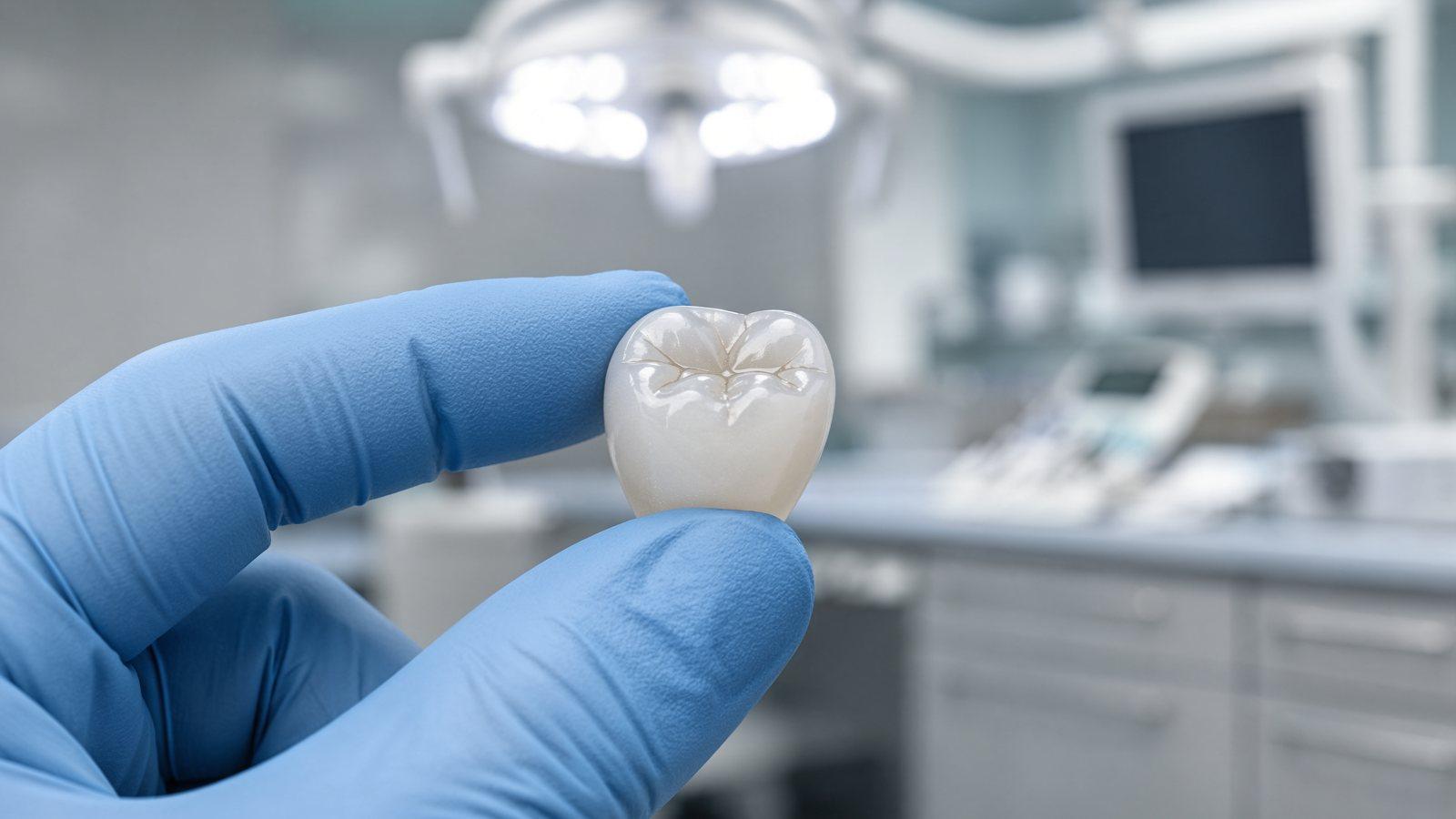
Zirconia is a white, durable ceramic material used in dentistry. Zirconia is used instead of metal in the substructure of the crown. Because it contains no metal, it lets light through in a way similar to a natural tooth, and a dark line at the gum edge usually does not appear.
Zirconia crowns can be used on both front and back teeth, as single crowns or as bridges. They can also be used for teeth made on implants. Which material is right for you is assessed at the examination based on the position of the tooth, your bite and your expectations.
When are zirconia crowns considered?
- Teeth with large fillings or significant loss of tooth structure
- Teeth that have had root canal treatment and need support
- Noticeable discoloration that whitening cannot remove
- Teeth that are misshapen, broken or worn
- Replacing old metal-supported crowns
- Bridges or implant-supported teeth when teeth are missing
A crown requires the tooth to be reduced to some extent, and this cannot be reversed. For this reason, less invasive options are considered first for healthy teeth.
How does the treatment process work?
Examination and planning
The teeth and gums are examined, and X-rays are taken if needed. Any decay or gum problems are treated first.
Preparing the teeth
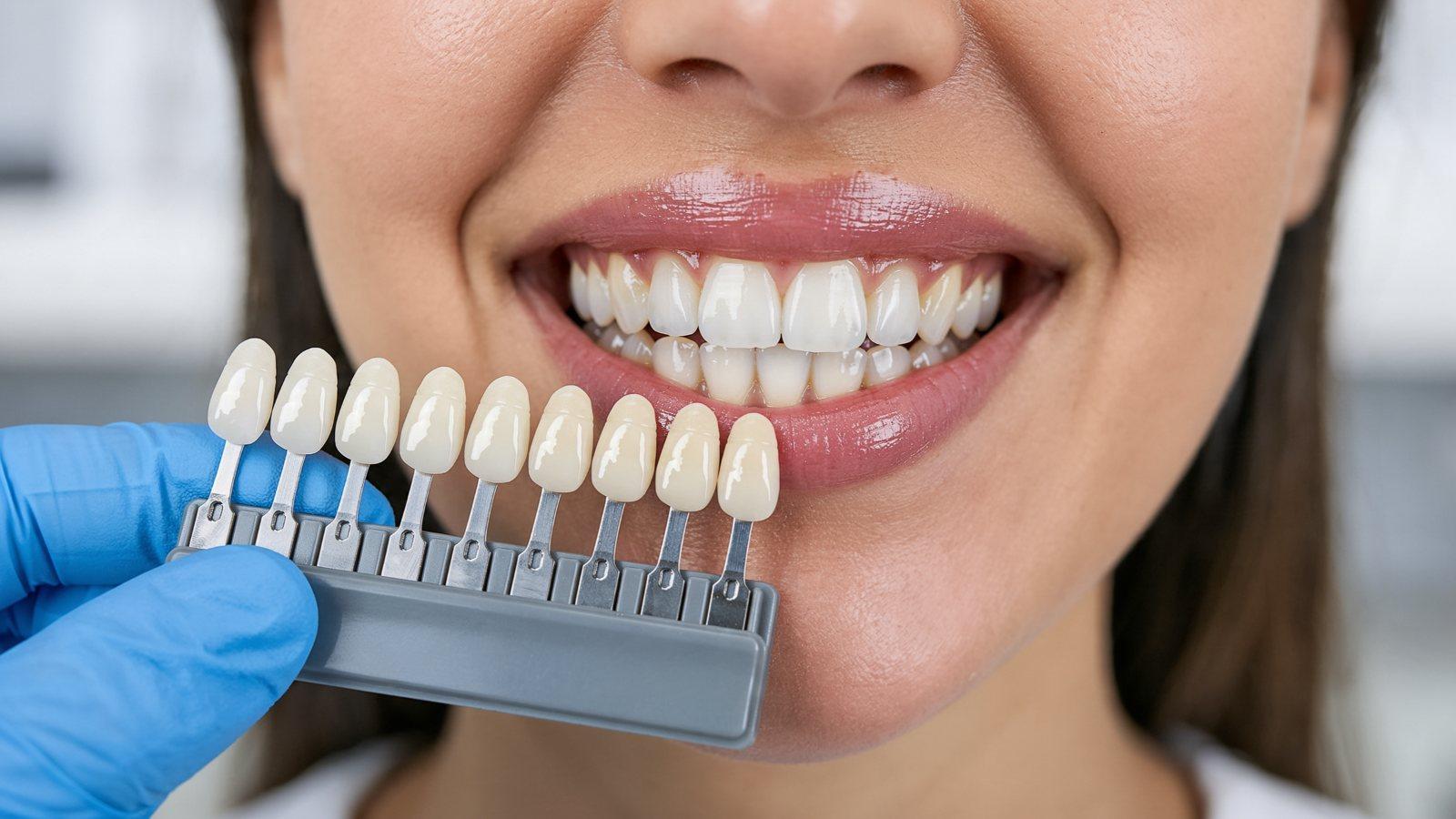
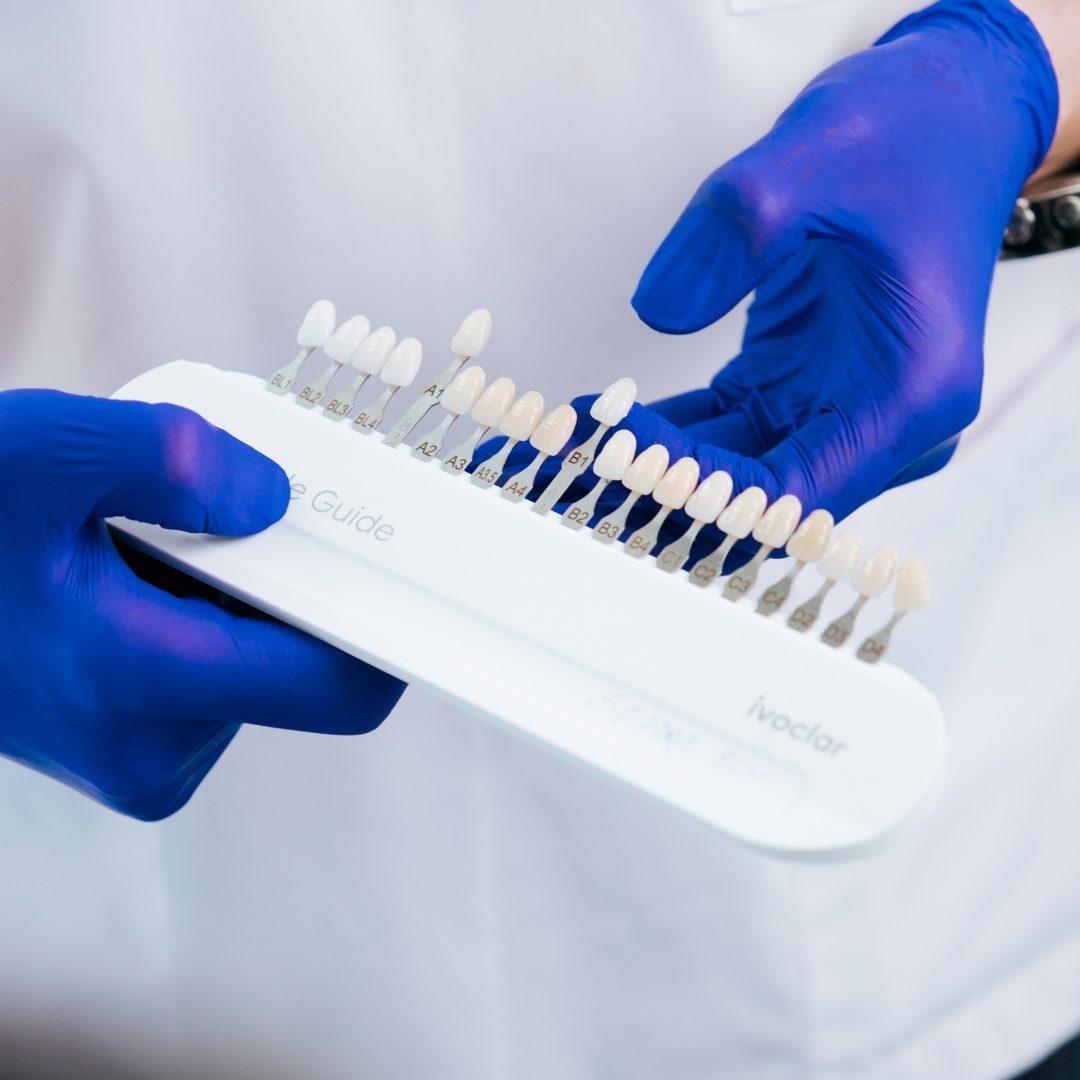
Under local anesthesia, the teeth are reduced just enough to make room for the crown. An impression is taken, the shade is chosen and a temporary crown is fitted.
Try-in
The fit, color and bite of the crown prepared in the laboratory are tried in the mouth. Any necessary adjustments are made at this stage.
Cementation
Once its fit is approved, the crown is cemented onto the tooth and the bite is checked one last time.
The process varies with the number of teeth and the laboratory stages; it is usually completed in a few sessions.
Caring for zirconia crowns
The crown itself does not decay, but the tooth underneath and the gum around it need care. Brushing twice a day, using dental floss or interdental brushes and regular dental check-ups are recommended. Habits such as cracking hard shells with your teeth or biting pens or nails can damage the crown. If you clench or grind your teeth, your dentist may recommend a night guard. How long crowns last varies from person to person depending on oral hygiene and habits.
Frequently asked questions
Does it hurt when the teeth are reduced?
The procedure is performed under local anesthesia; usually no pain is felt during it. While the temporary crown is in place, there may be sensitivity to hot and cold, which in most cases eases within a short time.
What is the difference between a zirconia crown and a porcelain veneer?
A porcelain veneer is a thin porcelain shell that covers only the front surface of the tooth, and less tooth structure is removed. A zirconia crown, on the other hand, covers the tooth all the way around. For teeth with significant loss of structure, a crown is often considered, while for healthy front teeth, veneers are considered.
Does the color of a zirconia crown change over time?
The ceramic surface is less affected by factors such as tea, coffee and smoking than a natural tooth. The color is chosen to match the neighboring teeth before the crown is made; crowns do not respond to whitening afterward.
Is it suitable for people with a metal allergy?
Zirconia crowns do not contain a metal substructure. If you have a history of metal allergy, mentioning it at the examination allows the material to be chosen accordingly.
This information is for general guidance only. Your treatment plan is determined by your dentist after an examination; results may vary from person to person.