Procedure details
- Anesthesia
- Local anesthesia for fixed prostheses where the supporting teeth are reduced
- Sessions
- Fixed prostheses usually in a few sessions; complete and partial dentures in slightly more sessions
- Afterward
- There may be sensitivity while the temporary crown is in place
The duration and number of sessions vary from person to person and case to case. The exact plan is determined at the examination.
Contents
What is prosthetic dentistry?
Missing teeth do not only affect appearance. Chewing becomes harder, speech may change, the teeth next to the gap may tilt over time and the opposing tooth may over-erupt into the gap. In prosthetic treatment, missing teeth and lost tooth structure are replaced with artificial teeth; the aim is to restore chewing, speech and appearance together.
Which prosthesis is right for you is assessed at the examination based on the number of missing teeth, the condition of the remaining teeth and gums, the jawbone and your expectations.
Types of prostheses
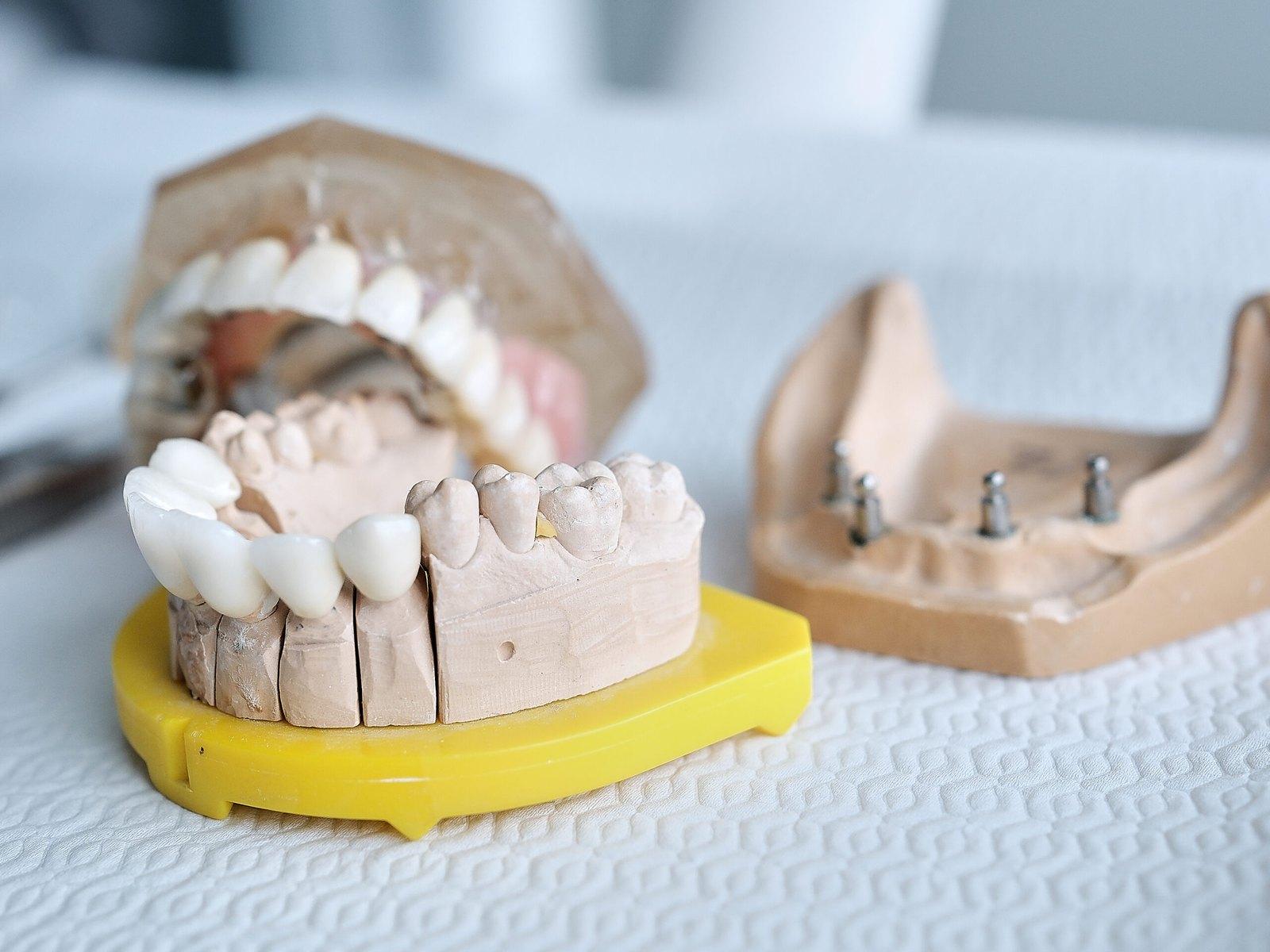
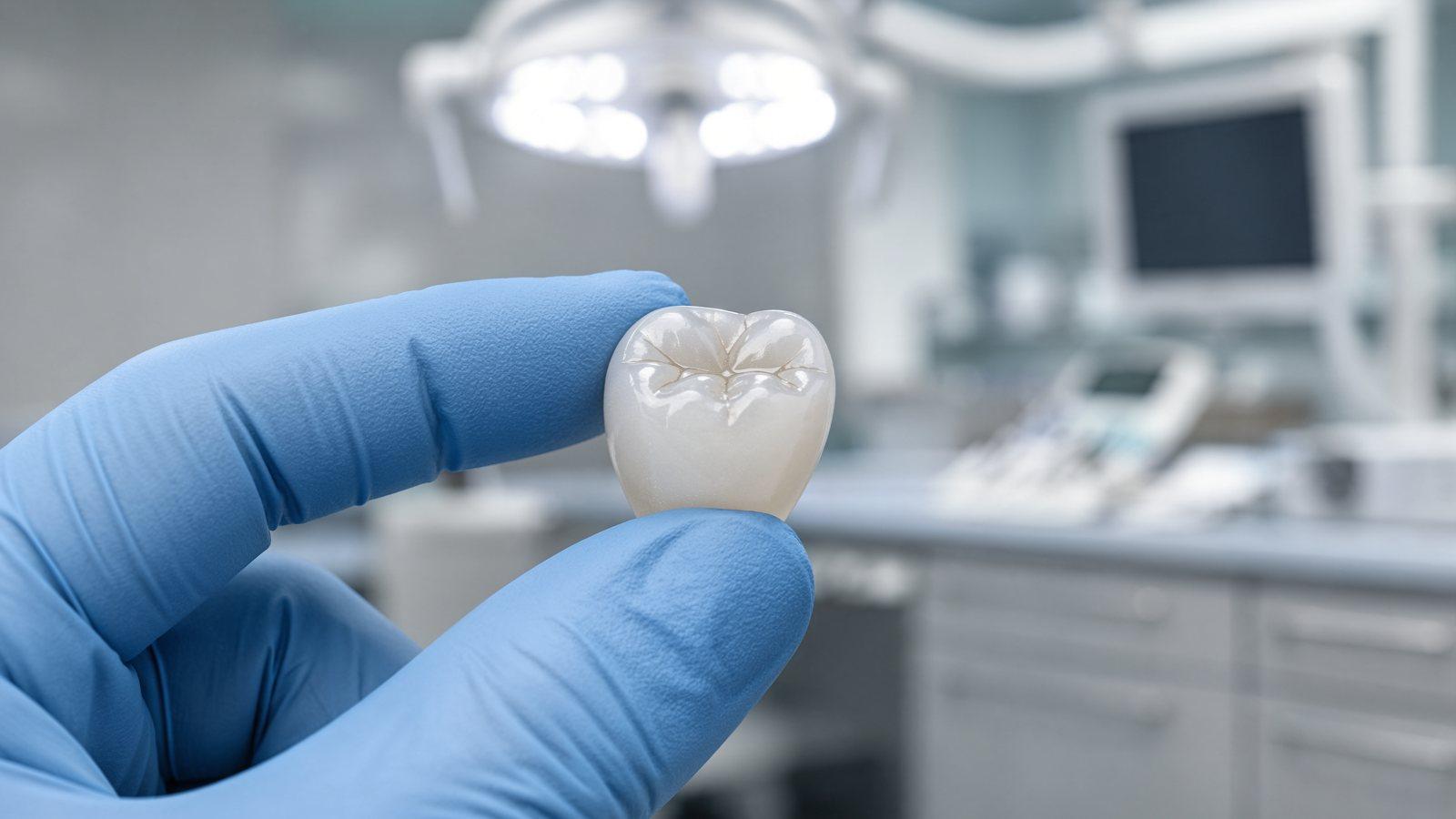
- Crown: a cap made over a single tooth that has lost tooth structure
- Bridge: replacing a missing tooth with support from the neighboring teeth
- Removable partial denture: a removable denture held in place by the remaining teeth
- Precision attachment denture: a removable denture without clasps that attaches to crowns
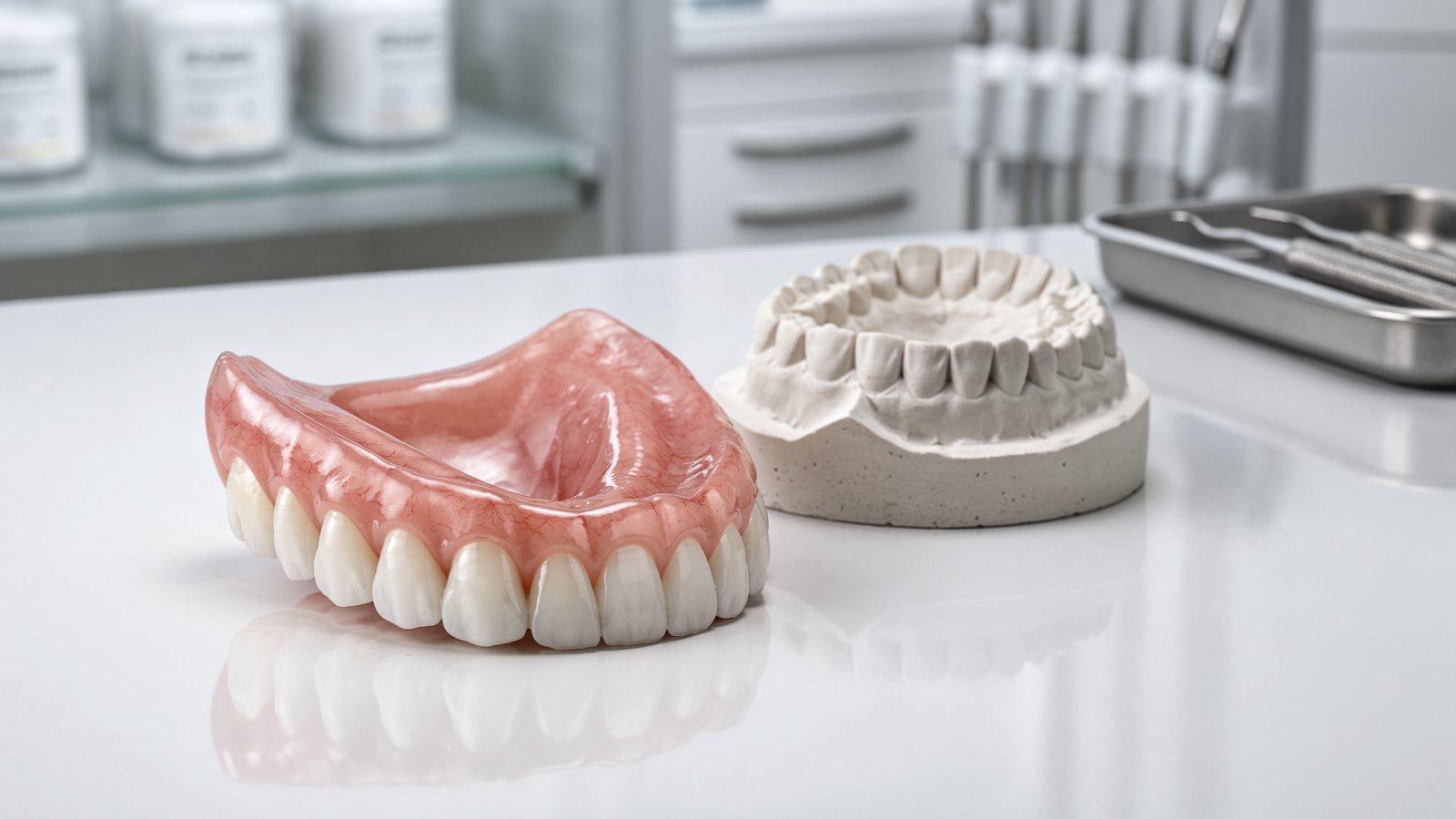
- Complete denture: a removable denture used in a jaw with no teeth
- Implant-supported prosthesis: a prosthesis fixed to or held by implants
How is a prosthesis made?
Examination and planning
The remaining teeth, gums and bone are assessed with an oral examination and X-rays. The options are explained to you.
Preparation
Any necessary fillings, root canal treatment and gum treatment are completed. For fixed prostheses, the supporting teeth are reduced under local anesthesia.
Impressions and records
Impressions are taken, the bite relationship between the jaws is recorded and the tooth shade is chosen.
Try-ins
The prosthesis prepared in the laboratory is tried in the mouth step by step. Fit, bite and appearance are checked.
Delivery and check-up
The prosthesis is fitted or cemented, and how to use and clean it is explained. A check-up is done after the first few days.
Using and caring for your prosthesis
Getting used to a new prosthesis can take time. In the first days, there may be changes in speech, more saliva or, with removable dentures, pressure points called sore spots; these are adjusted at the check-up. The edges of fixed prostheses and the area under bridges should be cleaned with dental floss or interdental brushes. Removable dentures should be taken out and brushed after every meal and stored at night as your dentist recommends.
The jawbone and gums change over time. For this reason, the fit of prostheses is reviewed at regular check-ups; relining or replacement is done when needed.
Frequently asked questions
How many sessions does it take to make a prosthesis?
It depends on the type of prosthesis and whether preparatory treatment is needed. Fixed prostheses are usually completed in a few sessions, while complete and partial dentures take slightly more sessions because of the impression and try-in stages.
Does it hurt when the teeth are reduced?
The procedure is performed under local anesthesia; usually no pain is felt during the procedure. There may be sensitivity while the temporary crown is in place.
Should I choose a bridge or an implant?
There are situations where each is suitable and situations where it is not. With a bridge, the neighboring teeth are reduced; with an implant, a surgical procedure and healing time are needed. The decision is made after assessing the condition of the neighboring teeth, your bone structure and your general health.
Can I eat comfortably with a removable denture?
During the adjustment period, it helps to start with soft foods and chew on both sides. How well a denture stays in place varies from person to person depending on jaw structure. If retention is insufficient, your dentist may consider options such as implant support.
This information is for general guidance only. Your treatment plan is determined by your dentist after an examination; results may vary from person to person.