Procedure details
- Anesthesia
- Local anesthesia if the teeth need to be prepared
- Sessions
- Usually a few sessions; varies with the number of teeth and the laboratory work
- Afterward
- There may be sensitivity for a few days
The duration and number of sessions vary from person to person and case to case. The exact plan is determined at the examination.
Contents
What are porcelain veneers?
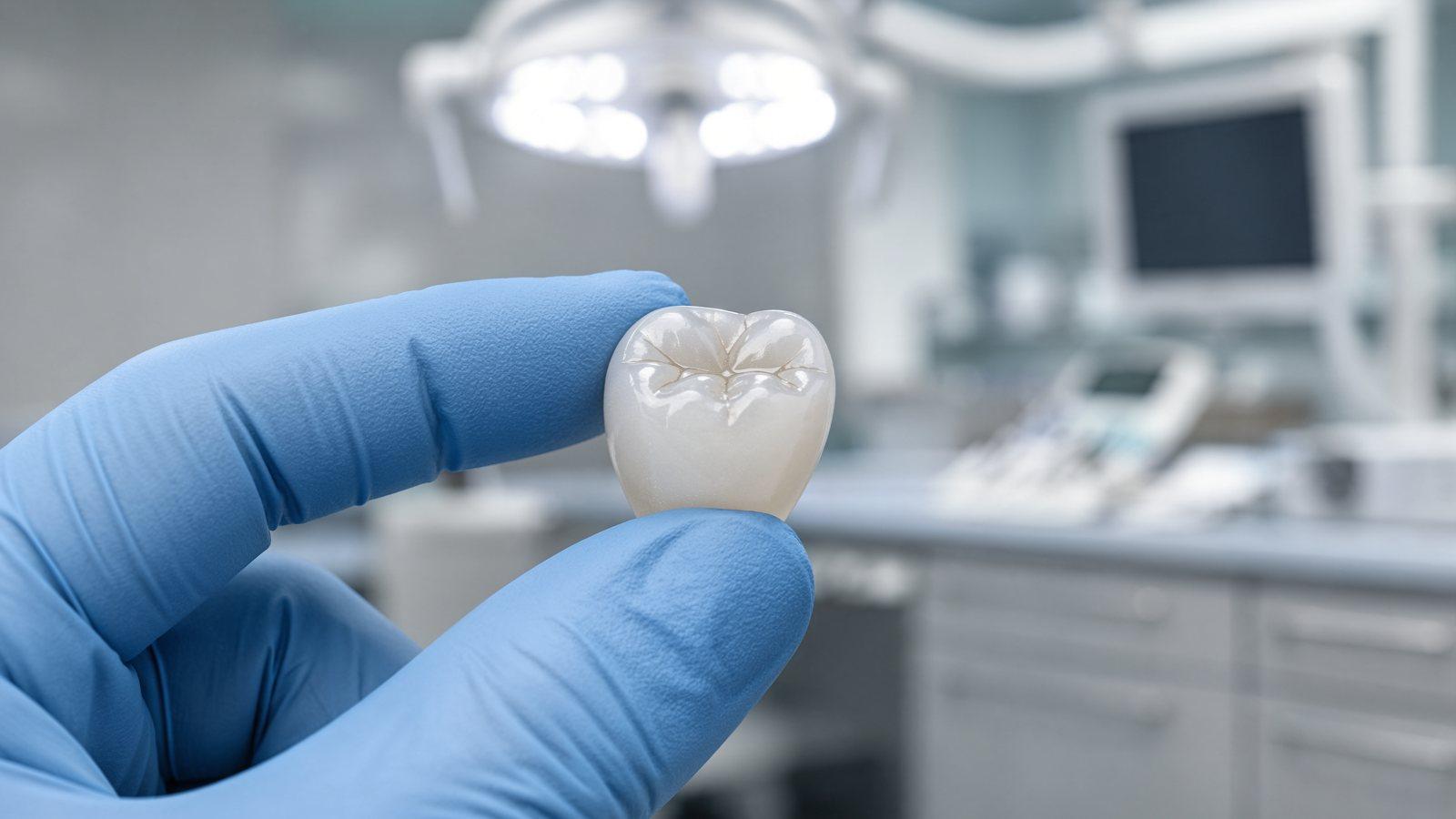
Porcelain veneers are thin ceramic layers that cover only the visible front surface of the tooth. Less tooth structure is removed than with crowns that cover the whole tooth. Veneers are custom-made in the laboratory and attached to the tooth with special adhesives.
They are mostly planned for the front teeth that show when you smile. How many teeth will receive veneers is decided together with your dentist based on your smile line and the current condition of your teeth.
When can porcelain veneers be planned?
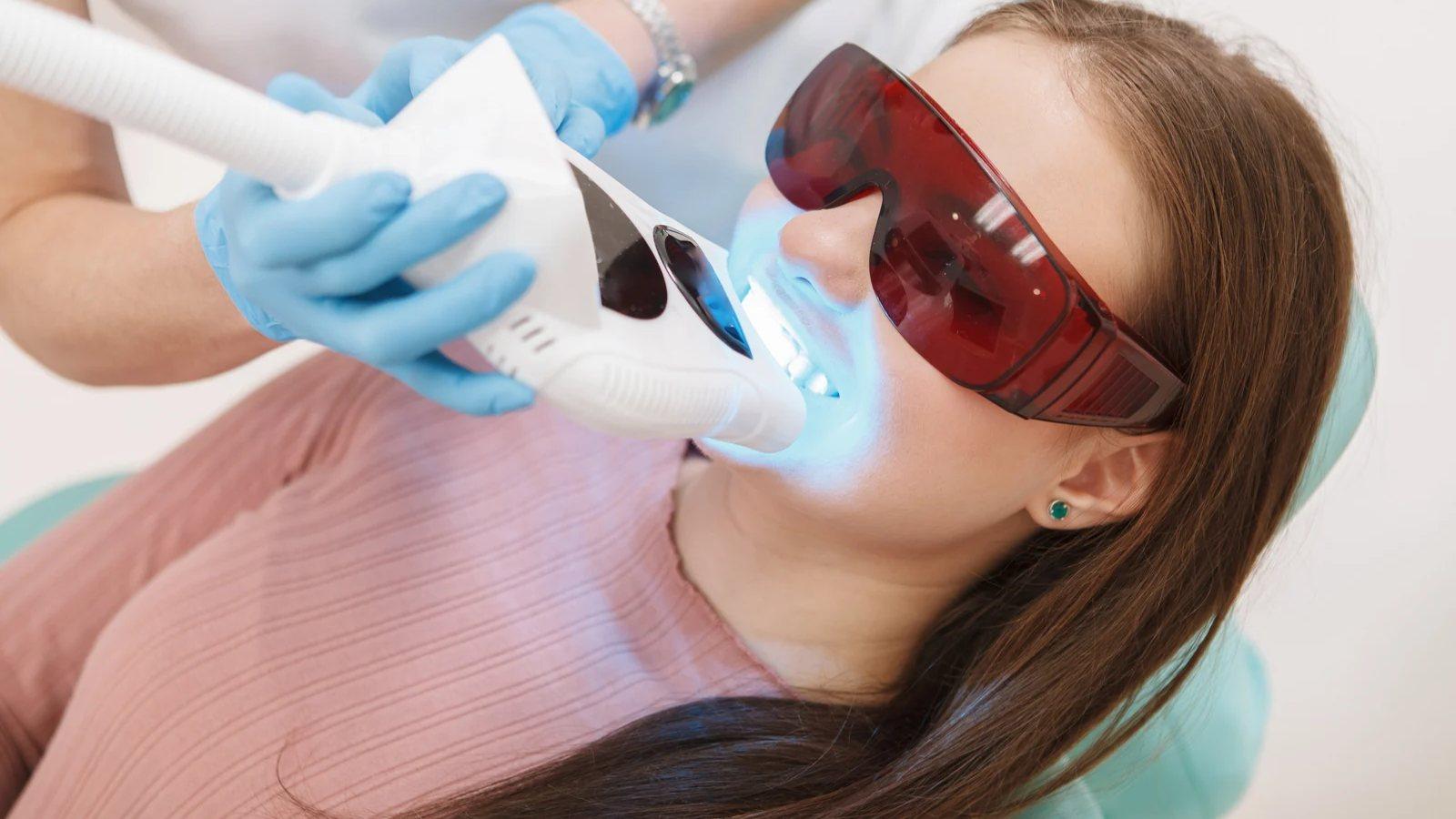
- Discoloration where whitening did not give the desired result
- Gaps between the front teeth
- Small chips and worn edges
- Differences in shape or size
- Mild misalignment
Veneers may not be suitable for every tooth. For teeth with significant loss of structure, pronounced crowding or an untreated clenching habit, your dentist may recommend other options such as crowns or orthodontic treatment. Any gum disease or decay is treated first.
How does the veneer process work?
Examination and design
Your teeth, gums and bite are assessed. Your expectations are discussed; if needed, planning is done on a model or on photos.
Preparing the teeth
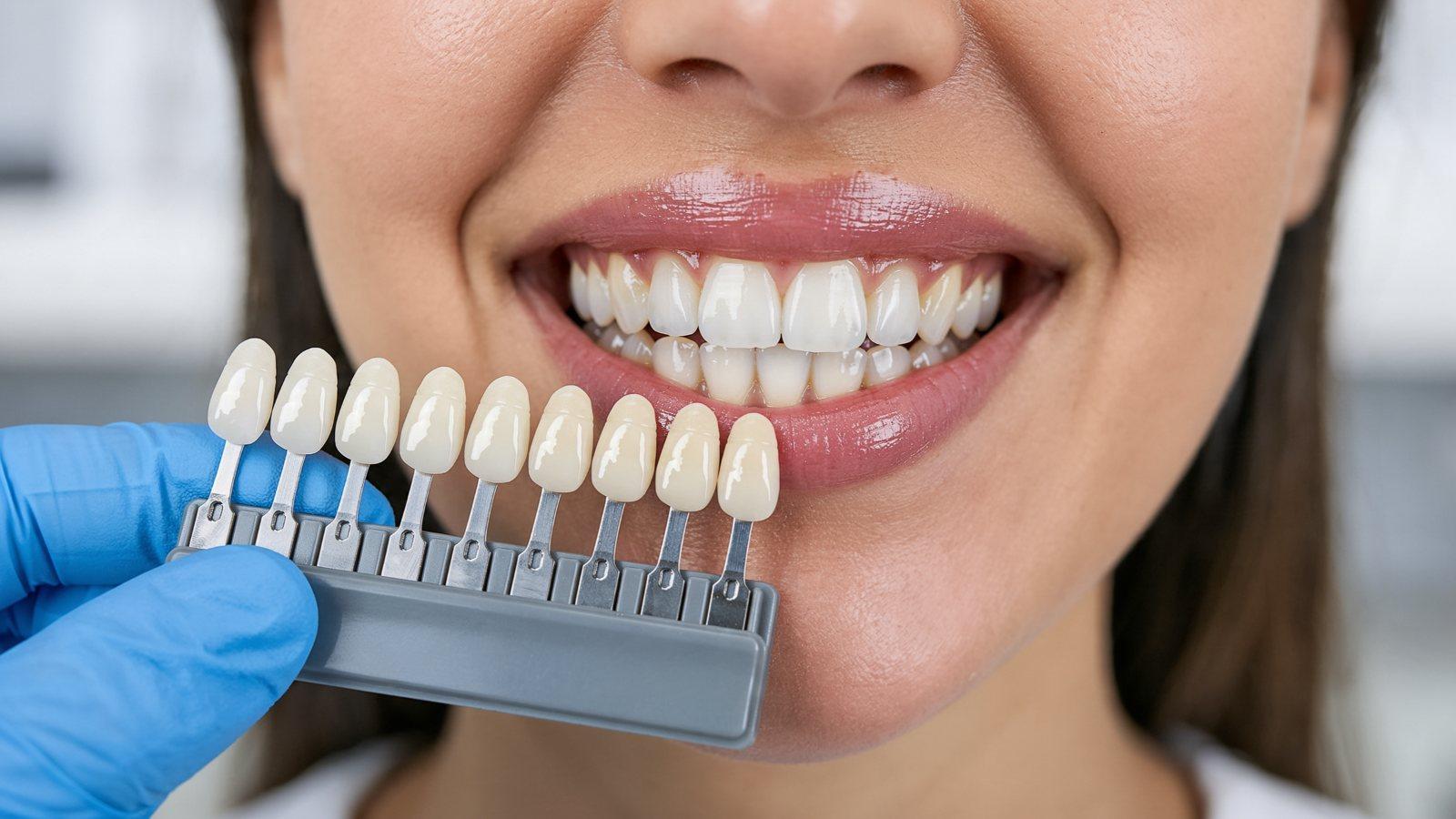
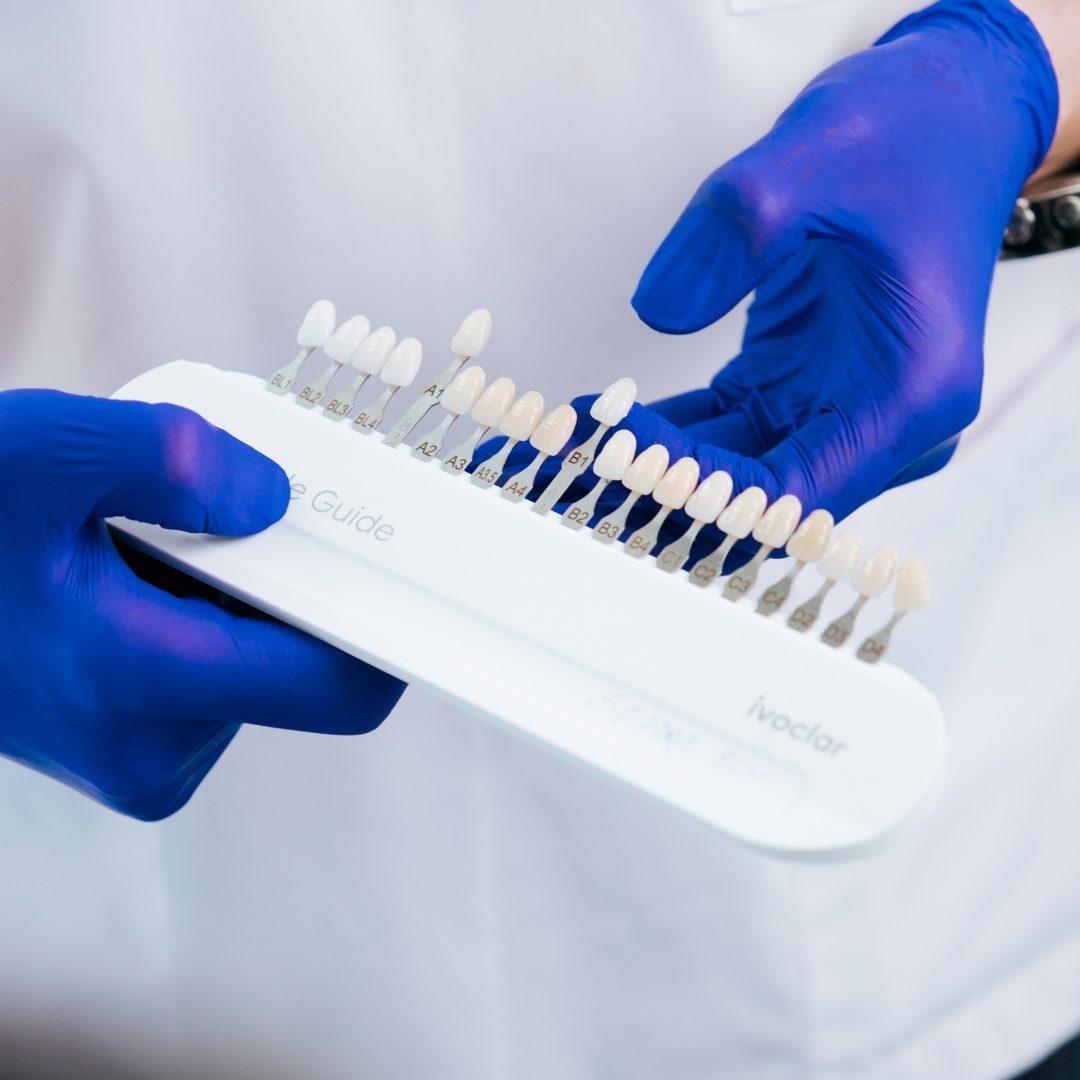
In most cases, a thin layer is removed from the front surface of the tooth. An impression is taken, the shade is chosen and, if needed, temporary veneers are placed.
Try-in
The veneers that come from the laboratory are tried on the teeth. Color, shape and fit are checked together.
Bonding
The veneers that are found suitable are bonded to the teeth, excess adhesive is cleaned off and the bite is checked.
What to keep in mind after treatment
There may be mild sensitivity to hot and cold in the first few days. In daily life, veneers are used like natural teeth; even so, biting hard objects with your front teeth, biting your nails or opening packaging with your teeth can cause them to break. Regular brushing, flossing and dental check-ups are necessary for the health of the veneer and the tooth underneath. If you clench your teeth, your dentist may recommend a protective night guard. The appearance and how long veneers last may vary from person to person.
Enamel removed from the surface of a tooth does not grow back. For this reason, before deciding on veneers, less invasive options such as whitening or cosmetic fillings are also assessed at the examination.
Frequently asked questions
Are the teeth cut down for porcelain veneers?
In most cases, only a thin layer of enamel is removed from the front surface. The amount removed depends on the position and color of the tooth; in some cases, very little preparation may be enough. Your dentist decides this at the examination.
Does the procedure hurt?
When the teeth need to be prepared, local anesthesia is used and usually no pain is felt during the procedure. There may be sensitivity for a few days afterward.
How many sessions does it take?
The examination, preparation, try-in and bonding stages usually span a few sessions. The time depends on the number of teeth and the laboratory work.
Can veneers come off or break?
Veneers bond firmly to the tooth, but they can break or come loose with a hard blow or excessive biting force. If this happens, keep the piece and contact your dentist.
This information is for general guidance only. Your treatment plan is determined by your dentist after an examination; results may vary from person to person.