Procedure details
- Anesthesia
- Local anesthesia for procedures that need it
- Sessions
- If there is decay or another problem, treatment is planned in separate sessions
- Afterward
- Until the numbness wears off, make sure your child does not bite their lip or cheek
The duration and number of sessions vary from person to person and case to case. The exact plan is determined at the examination.
Contents
What does pediatric dentistry cover?
A child’s mouth changes constantly as they grow. In pediatric dentistry, the development of baby teeth and permanent teeth is monitored, oral care habits are assessed and treatment is provided when needed. The procedures are planned according to the child’s age and oral health.
- Treatment of tooth decay
- Monitoring baby teeth and tooth eruption
- Dental injuries from falls and knocks
- Preventive treatments such as fluoride and fissure sealants
- Space maintainers for baby teeth lost early
- Advice on brushing and diet
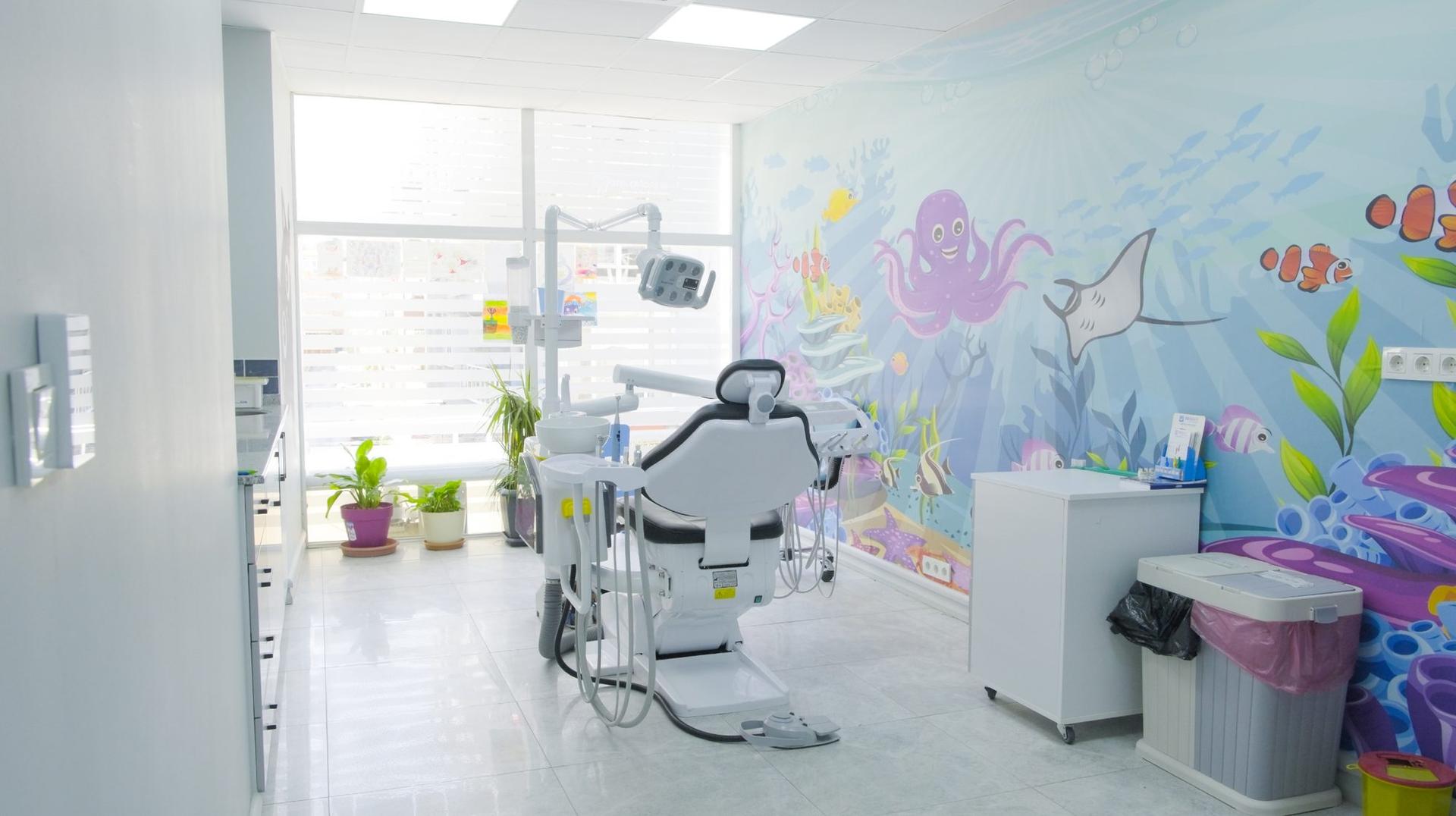
When should the first dental visit be?
The first dental visit is recommended after the first baby tooth comes in, usually between six months and one year of age. Often no procedure is done at this first visit; the teeth are checked and advice is given on feeding and cleaning. Getting to know the clinic early also makes it easier for the child to get used to it. Based on your child’s risk of decay, your dentist decides how often follow-up check-ups are needed.
Why are baby teeth important?
Baby teeth should not be neglected just because they will be replaced anyway. These teeth play a role in chewing, speaking and appearance; they also hold space for the permanent teeth coming in underneath. Decayed baby teeth can cause pain and disrupt sleep and eating patterns. Baby teeth lost early can also affect the alignment of the permanent teeth.
In babies, falling asleep with a bottle or while breastfeeding at night can cause fast-progressing decay in the upper front teeth. For this reason, teeth should be cleaned after feeding from the moment they start to come in.
How do the examination and treatment work?
Getting acquainted
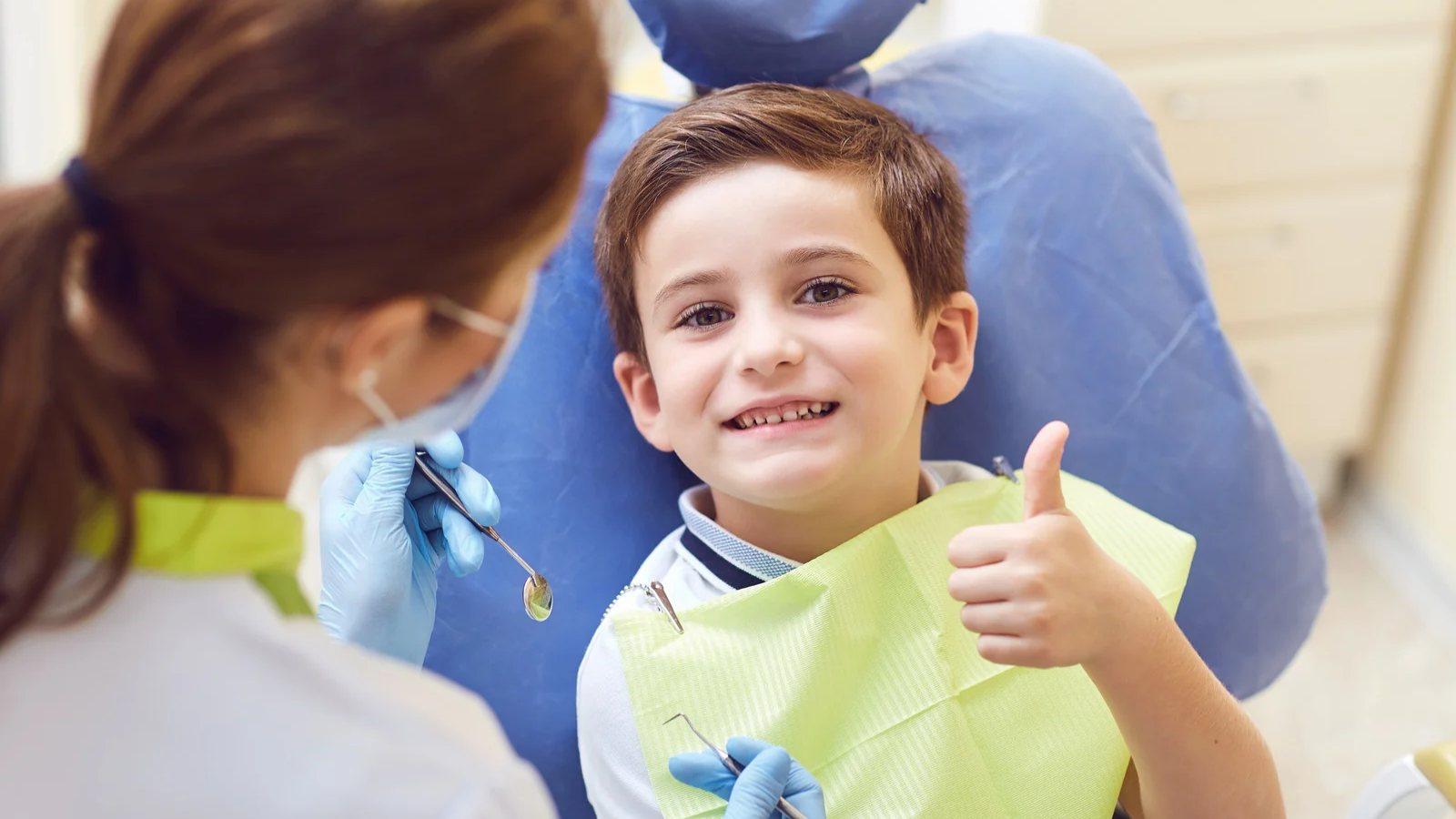
Time is set aside for the child to get used to the setting and the dentist. The instruments to be used are introduced in language the child can understand.
Examination
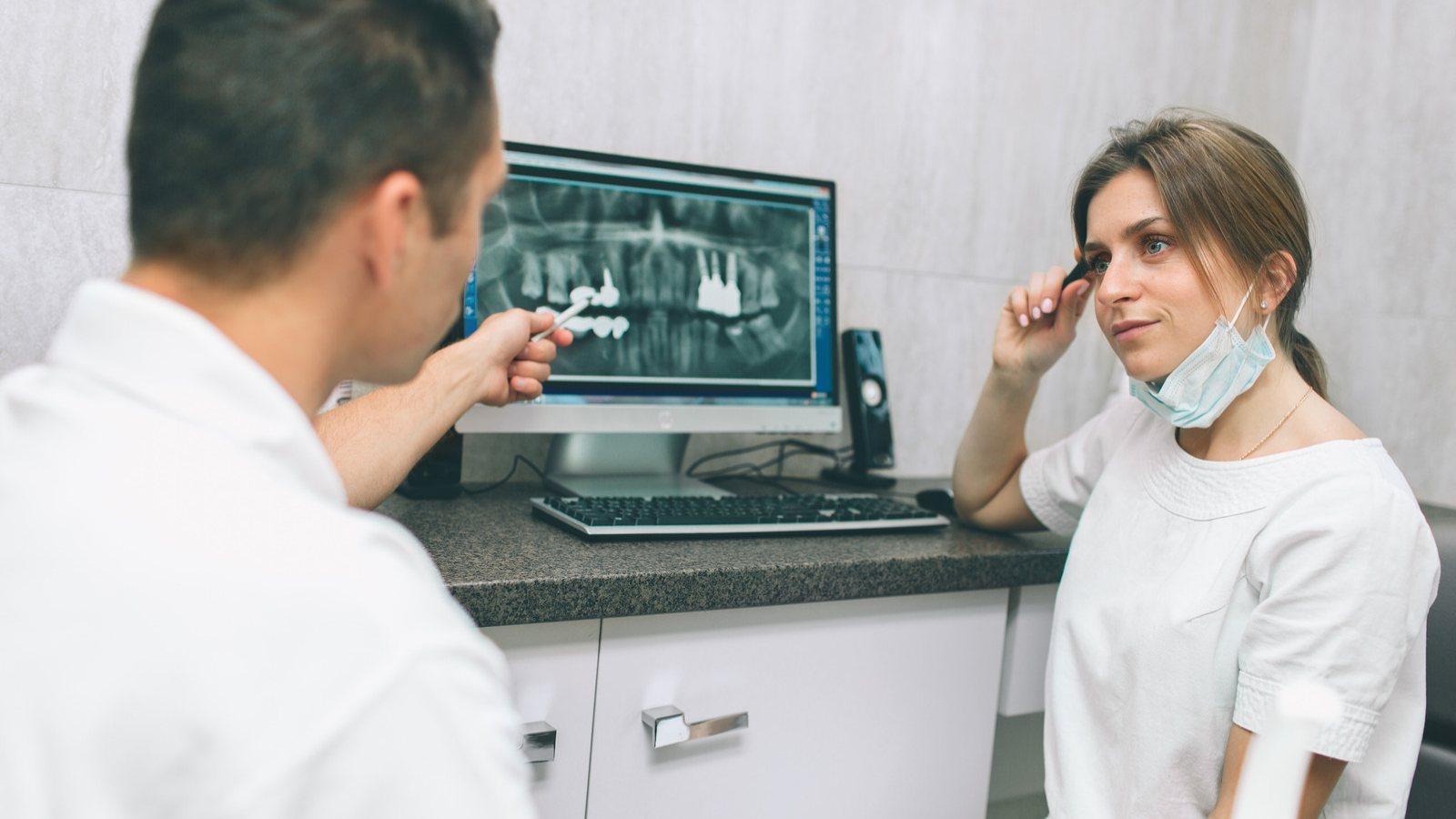
The teeth, gums and jaw development are checked. X-rays are taken if considered necessary.
Preventive treatments
Depending on the risk of decay, fluoride or fissure sealants may be applied, and brushing is reviewed together.
Treatment and follow-up
If there is decay or another problem, treatment is planned in separate sessions and the check-up interval is set.
If your child’s tooth has been broken, moved out of place or knocked out by a blow, see a dentist without delay. If a permanent tooth has been knocked out, do not hold it by the root; keep it moist in milk and bring it with you.
Frequently asked questions
My child is afraid of the dentist. What can I do?
It helps to describe the visit beforehand in a calm, positive way and to avoid words such as needle or pain. It is also important not to present the dentist as a threat or a punishment. The first visits are often kept short, to get acquainted and to help the child get used to things.
Can baby teeth have fillings or root canal treatment?
Yes. The aim is to keep a baby tooth in the mouth until it is time for it to be replaced; so decayed baby teeth can be filled and, if needed, given root canal treatment specific to baby teeth. The dentist decides which procedure to carry out based on the condition of the tooth and the time it has left.
Will my child feel pain during treatment?
Local anesthesia is used for procedures that need it, and usually no pain is felt during the procedure. Until the numbness wears off, make sure your child does not bite their lip or cheek.
When can children brush their teeth on their own?
Until their manual skills develop, which for most children is until the early school years, it is recommended that an adult brush their teeth or finish the brushing. For the amount of toothpaste and its fluoride content, you can follow your dentist’s age-based recommendation.
This information is for general guidance only. Your treatment plan is determined by your dentist after an examination; results may vary from person to person.